
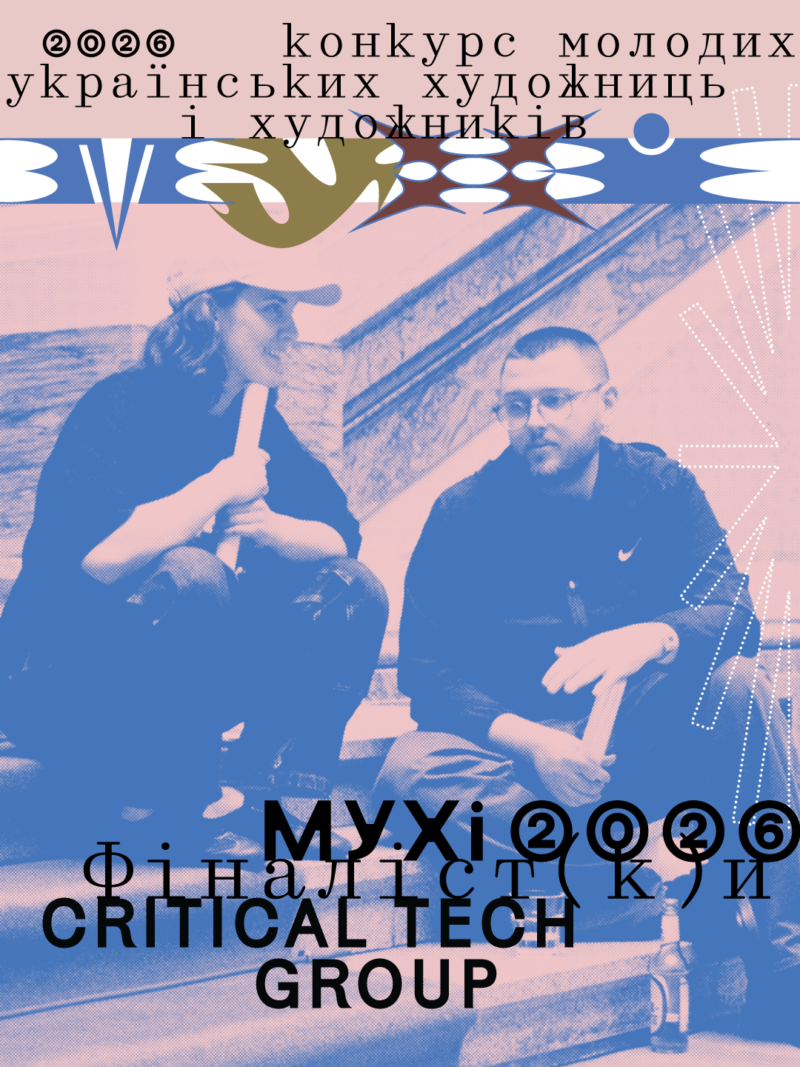
Critical Tech Group (Nastia Kolodka and Nazar Holianych)
1 октября 2026


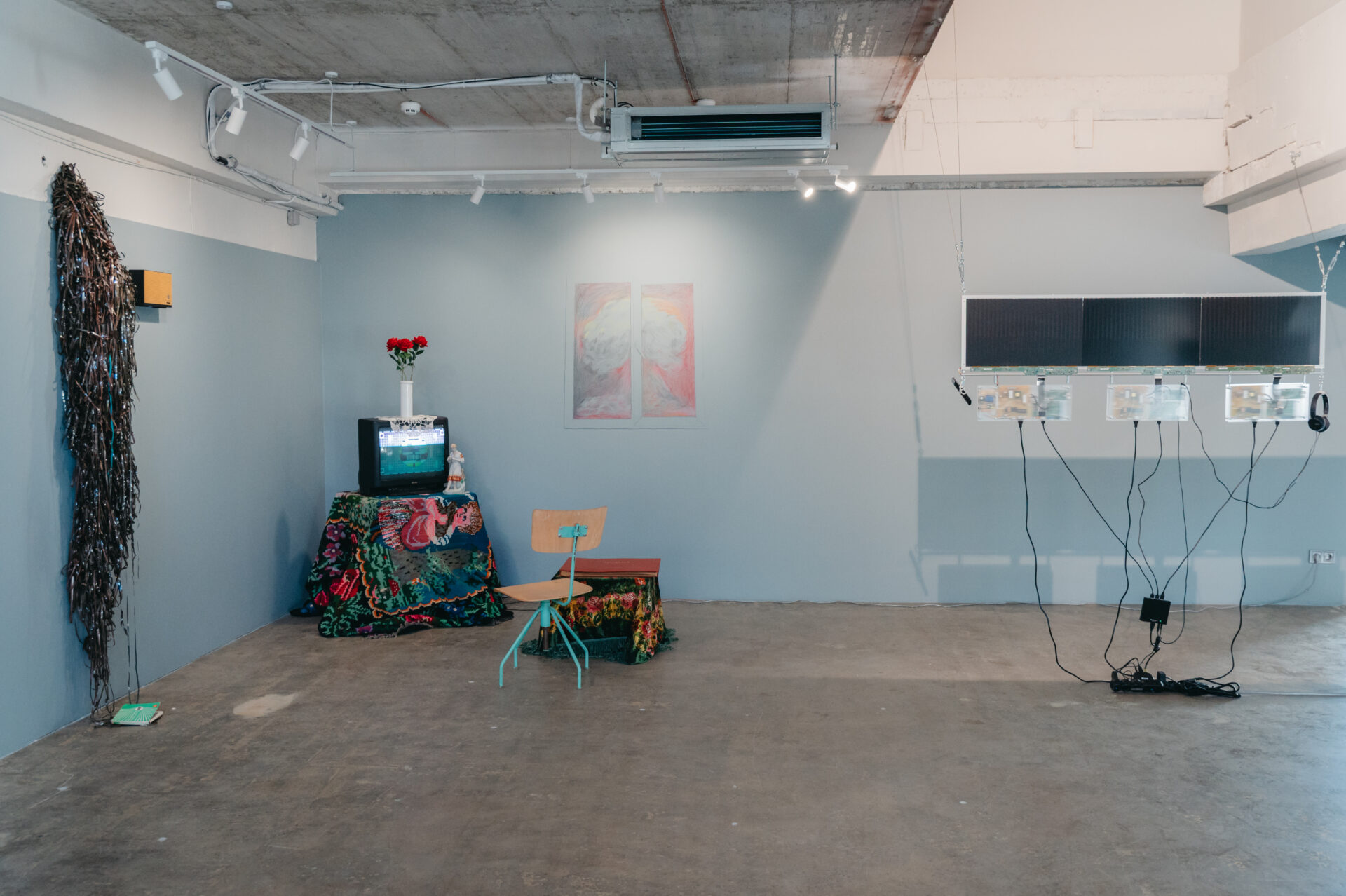
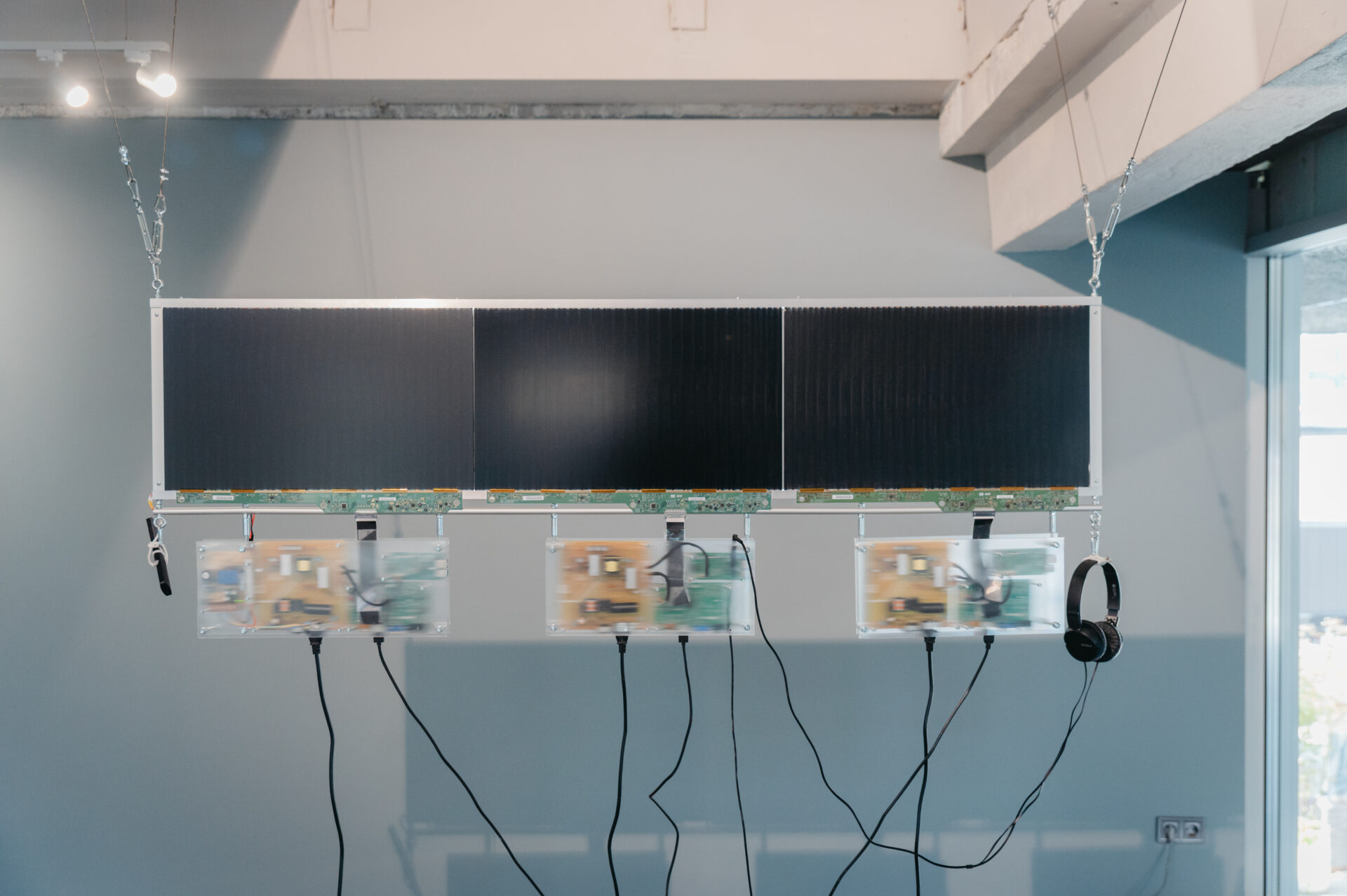
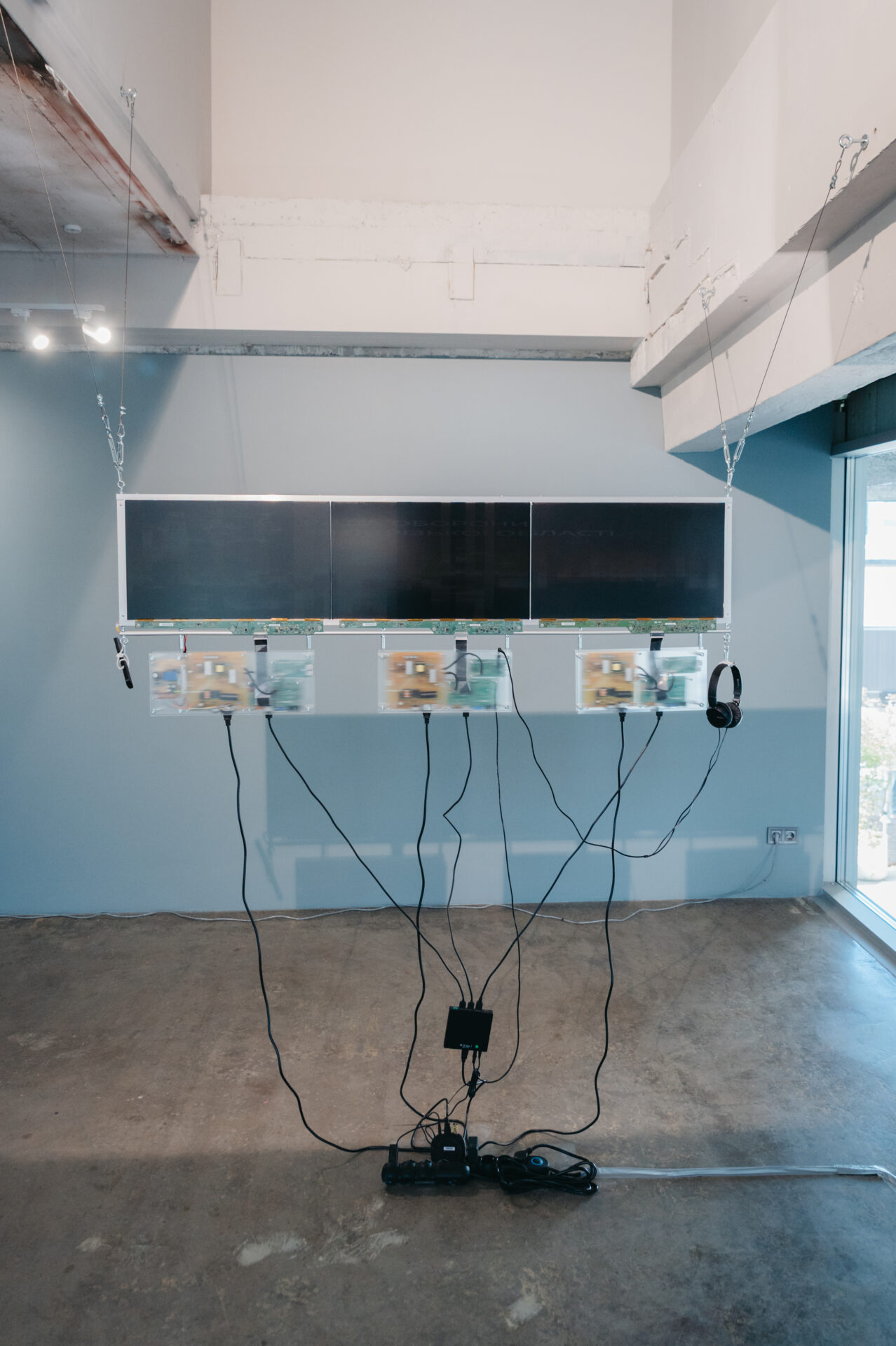
DISARM, 2024
video, 30 min
edited using custom-built Python code
The project DISARM tells the story of an information operations specialist who creates content for cognitive attacks. Through this narrative, the group investigates so-called “operational images” — visual images created not for contemplation, but with the deliberate aim of inflicting secondary trauma on the viewer. The work demonstrates how such content ceases to function as a record of events and instead becomes a weapon designed to disorient audiences and undermine their ability to make sense of what they see.
To examine these mechanisms in a tangible way, the artists conducted research into the digital information environment. Using their own Telegram scrapers — automated data-collection tools — Kolodka and Holianych compiled a database of 7.5 million messages and 1 million photographs and videos related to information warfare. Custom-developed video-editing software processes this material in ways that reveal the effects of operational images. The work traces how an image is removed from its original context, redistributed, altered, and retargeted toward different audiences.
Drawing on the philosophy of Vilém Flusser and Harun Farocki, the artists transform automated editing into a method of collecting digital evidence. DISARM makes the hidden algorithms of information influence visible. The work shifts the question from “How is this image constructed?” to the more practical question, “Whom does it serve?”, restoring the viewer’s ability to critically assess information and verify reality.
Critical Tech Group is a research duo formed by Nastia Kolodka (Romny / Kyiv) and Nazar Golianych (Kyiv). The group combines artistic practice with media research. Using computation as a medium, Critical Tech Group explores how societies are transformed into data, models and simulations. The group operates in a workshop-style format, combining text, video and hands-on experiments with materials.
Photographer: Anton Sorochak