







Inside Me Is a Black Hut
26.08.2026 – 26.08.2026


Description
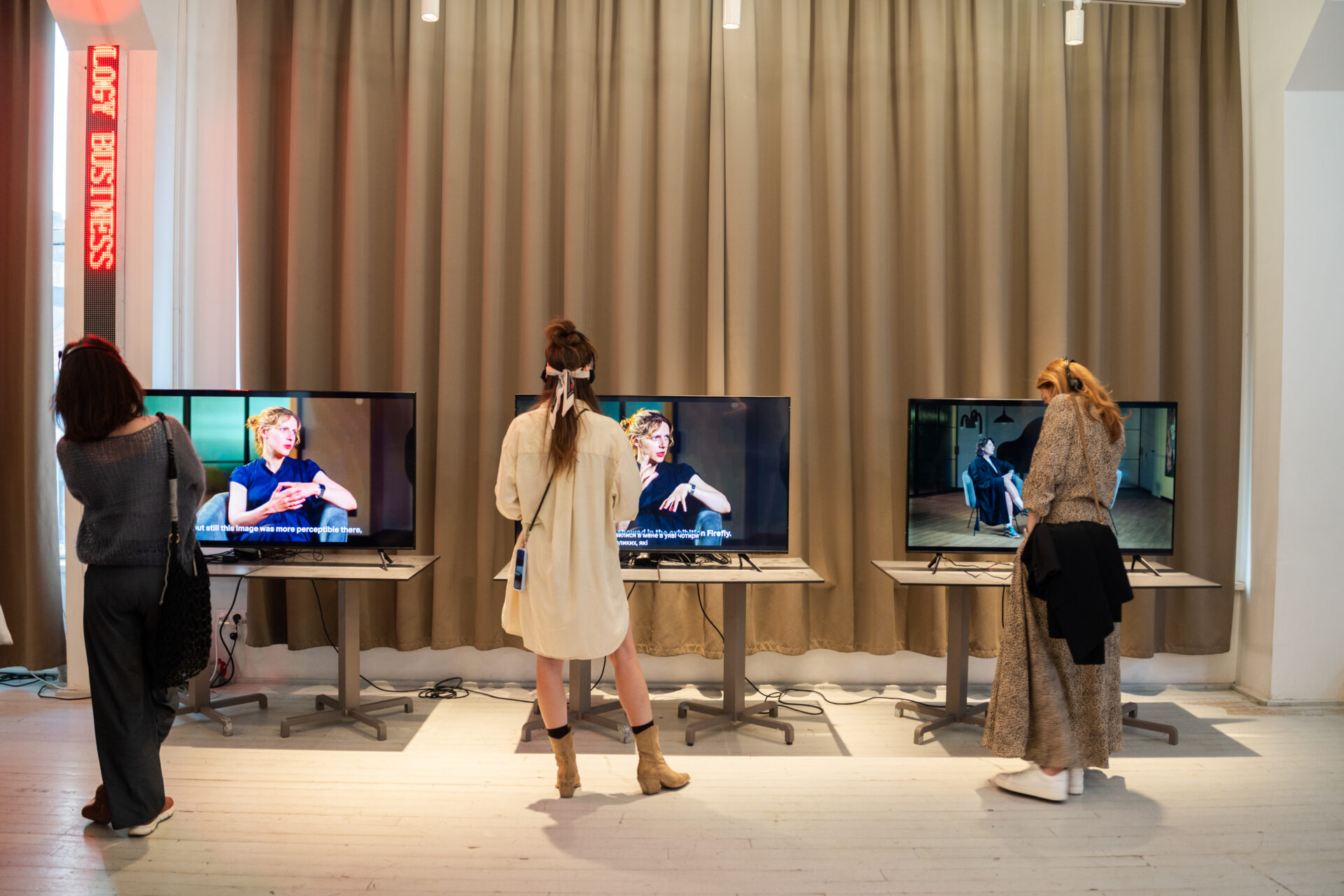
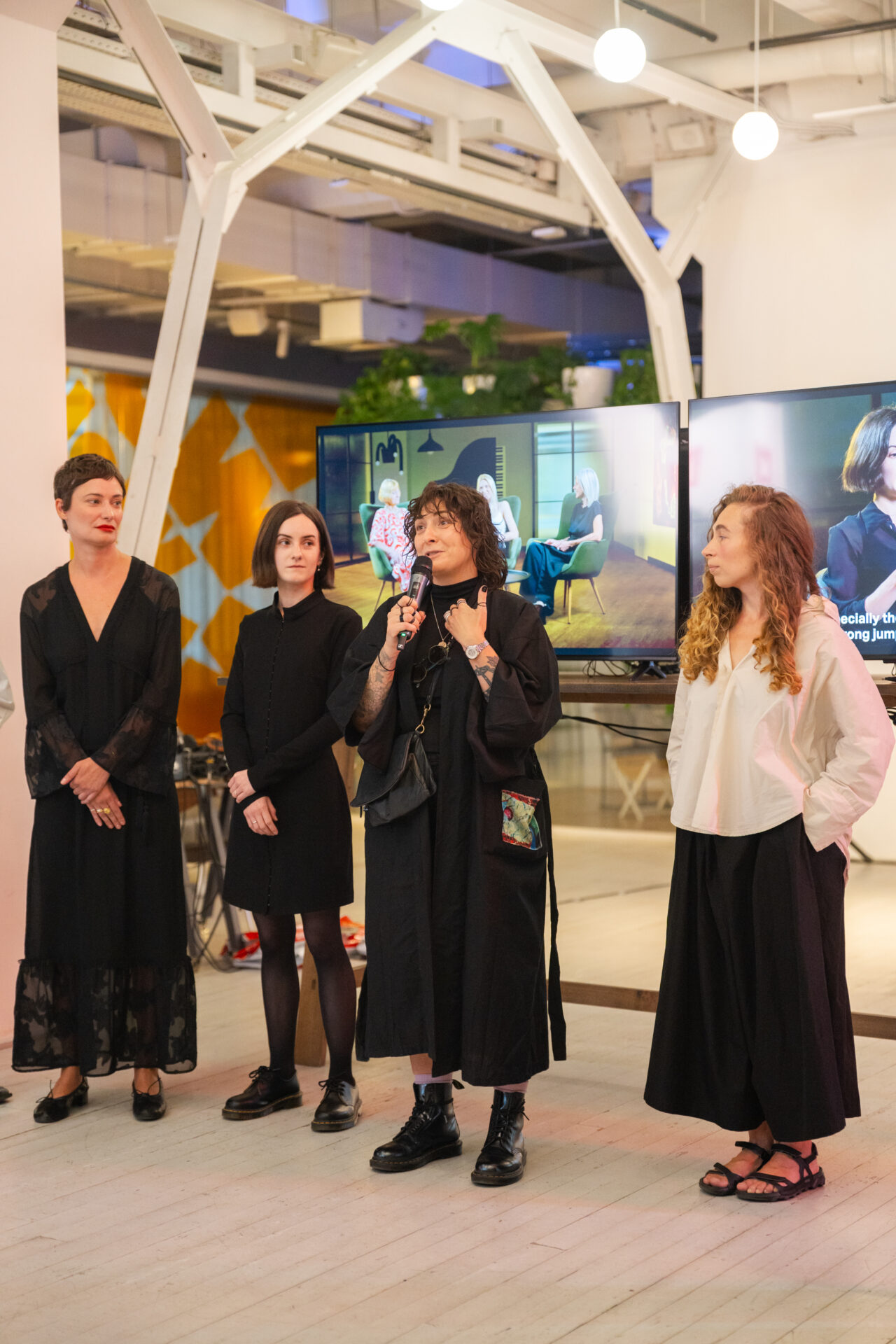
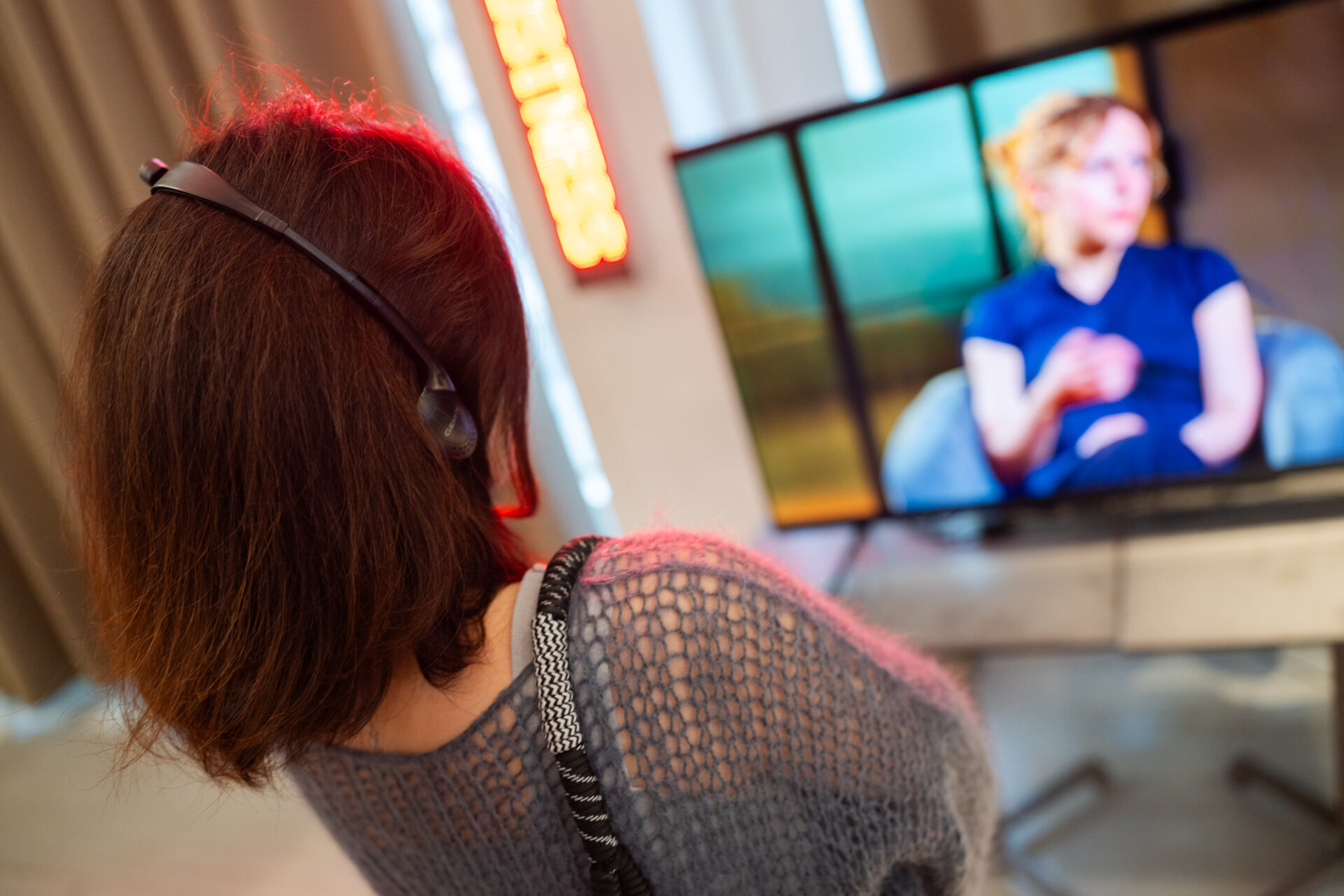
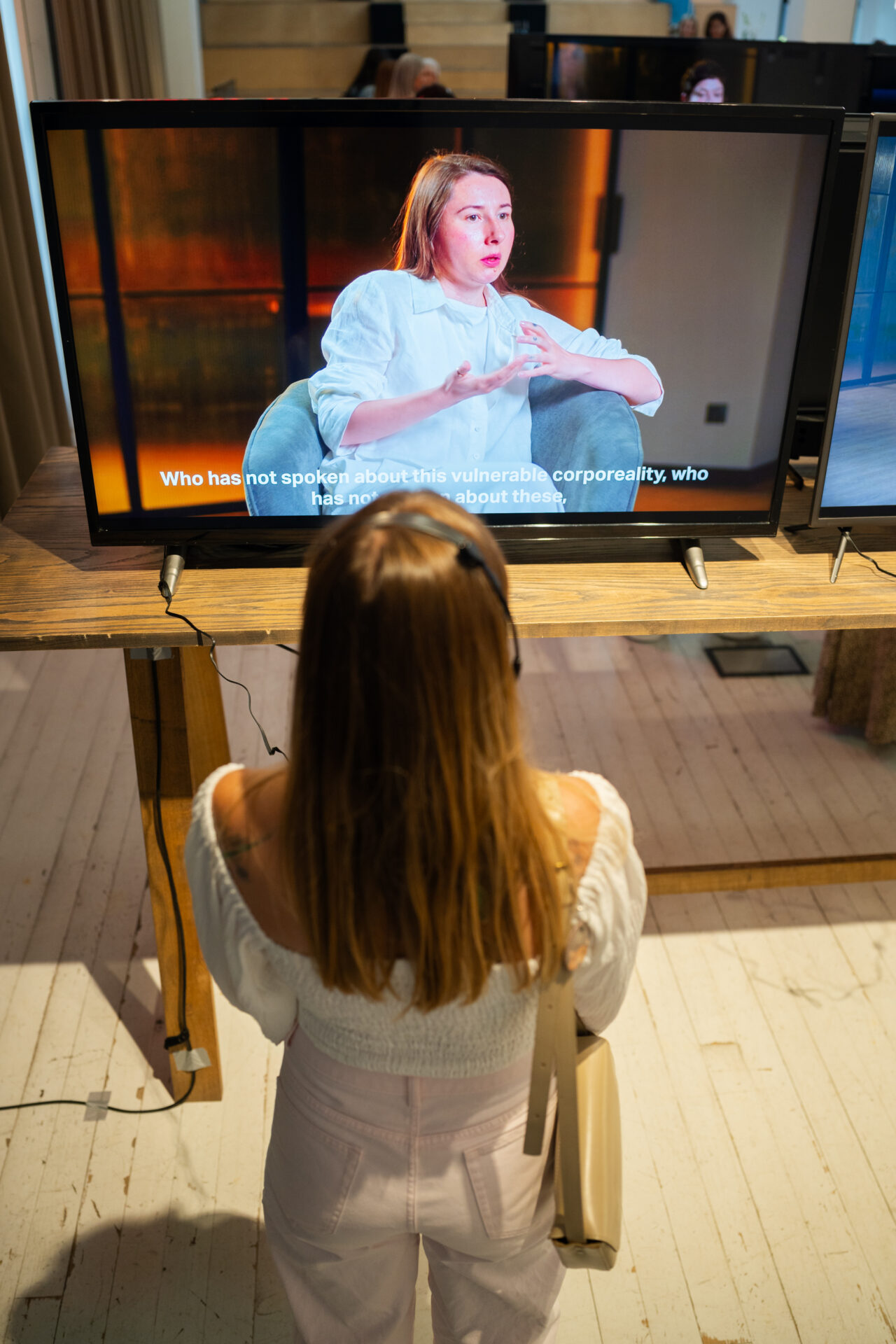
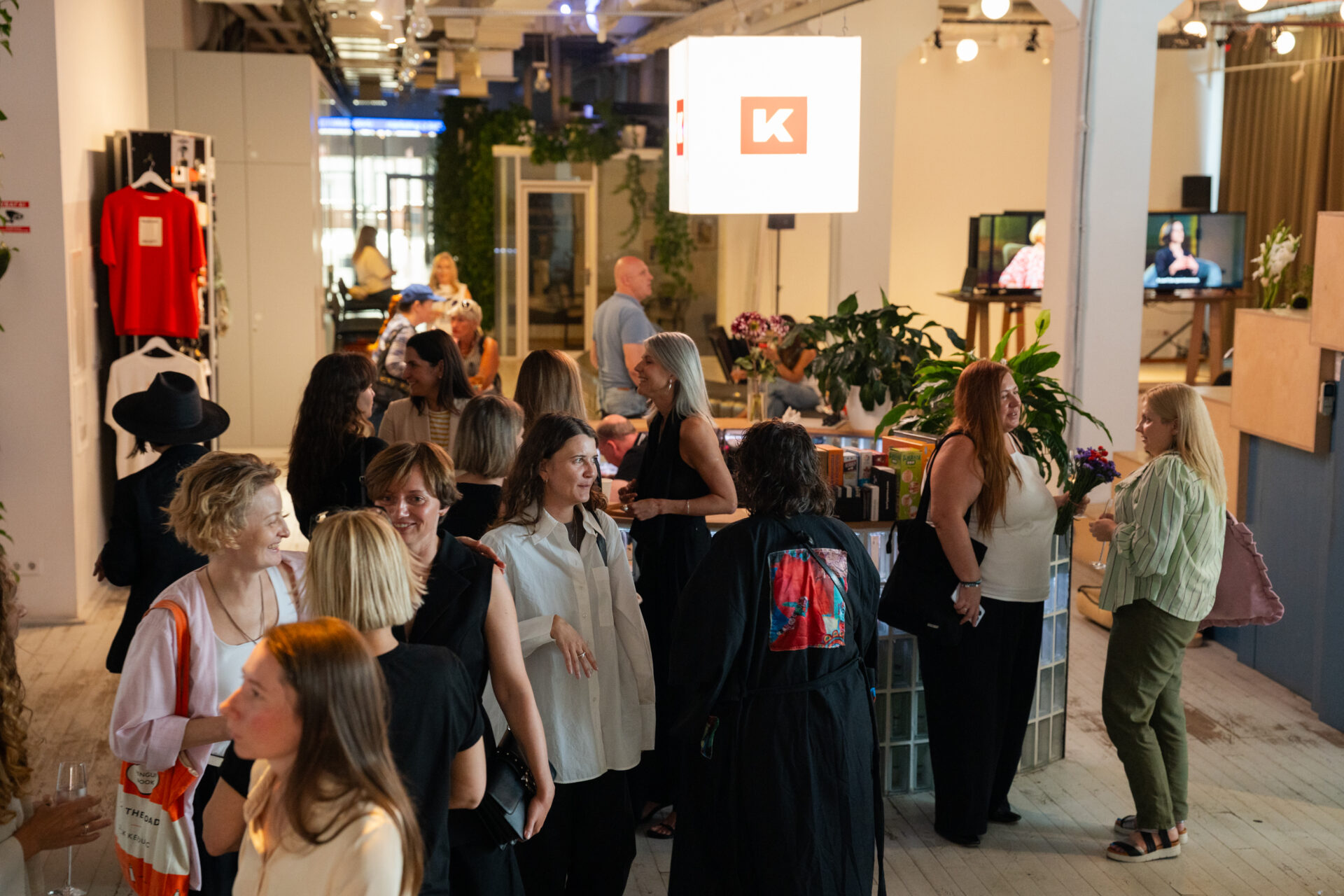
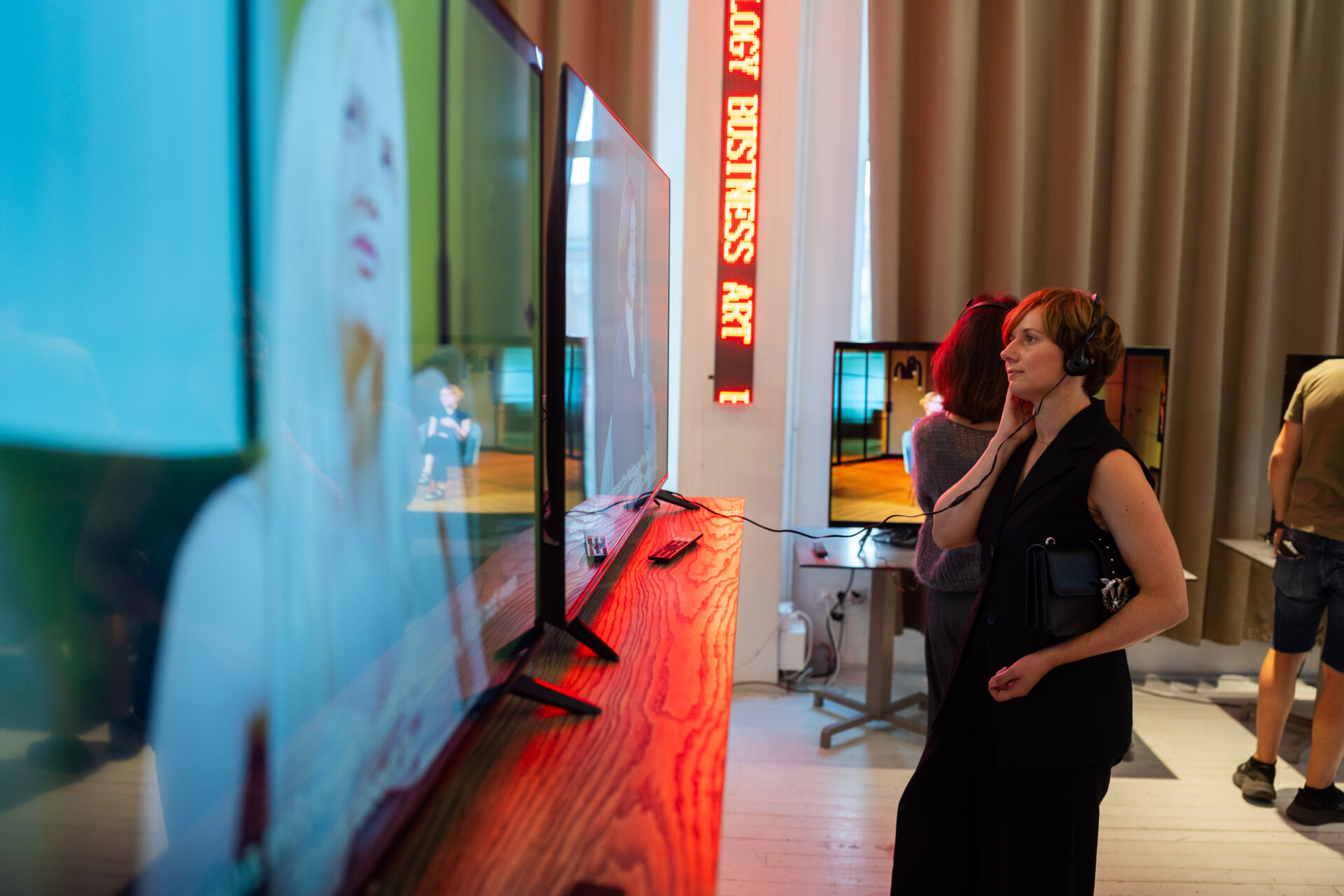
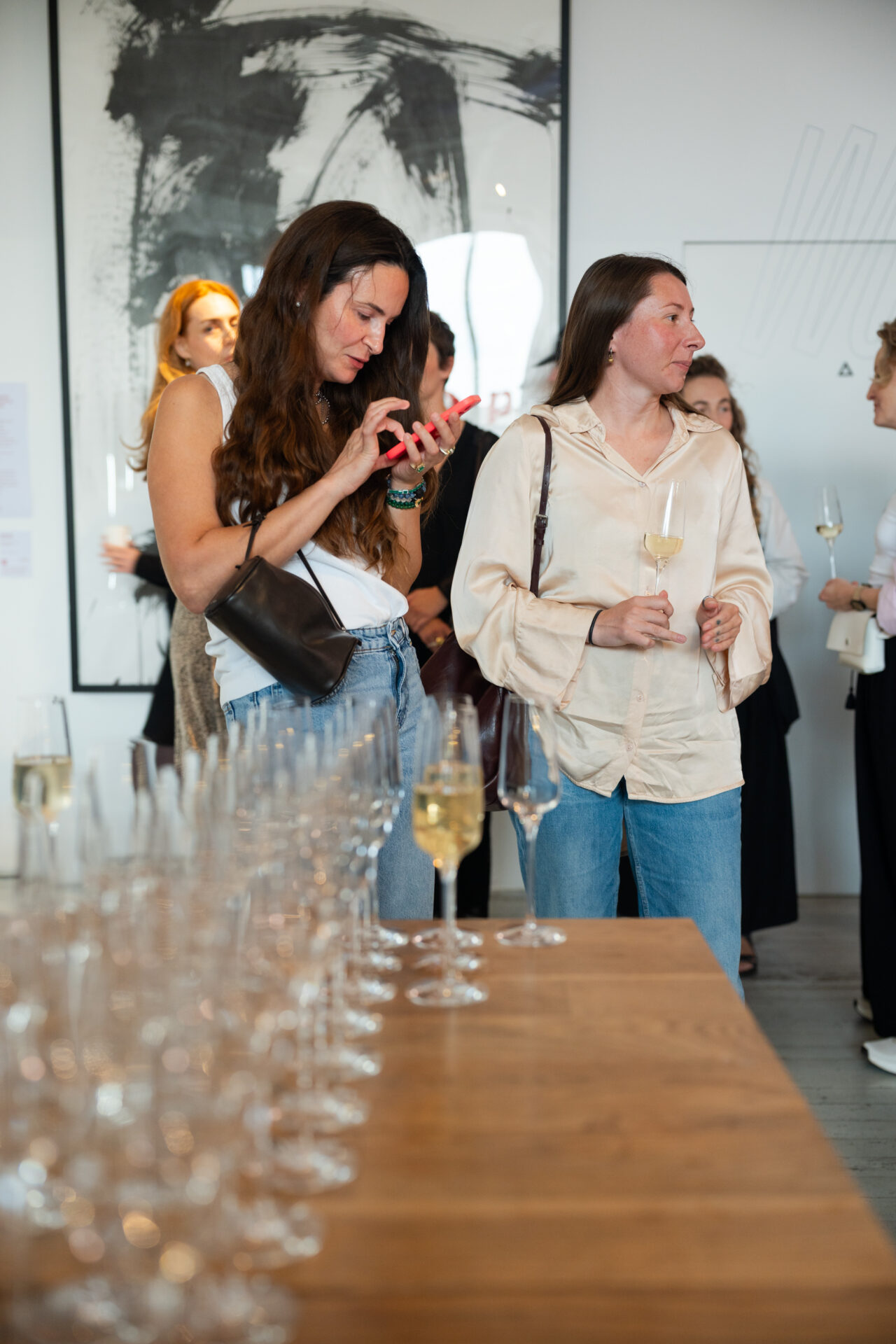
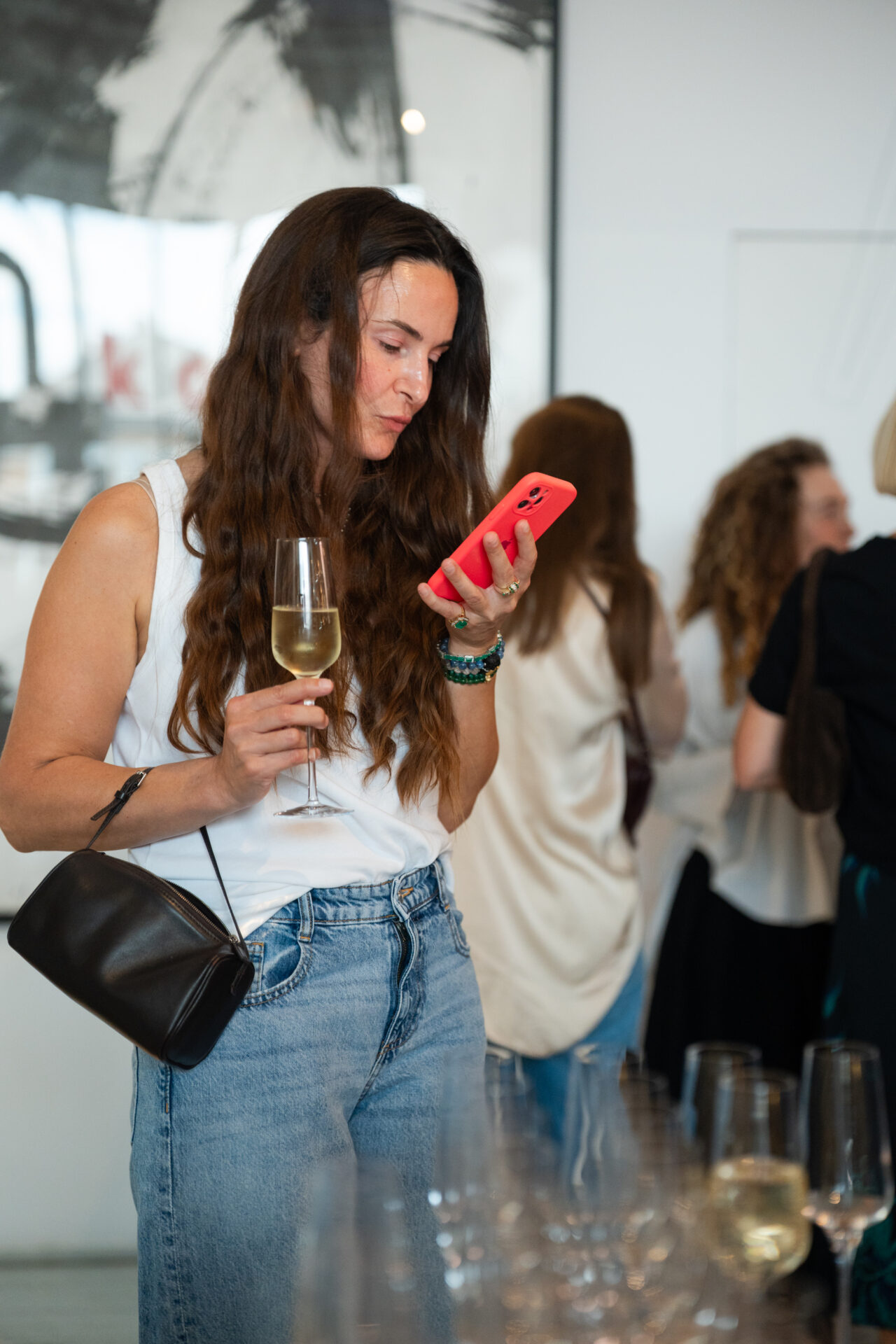
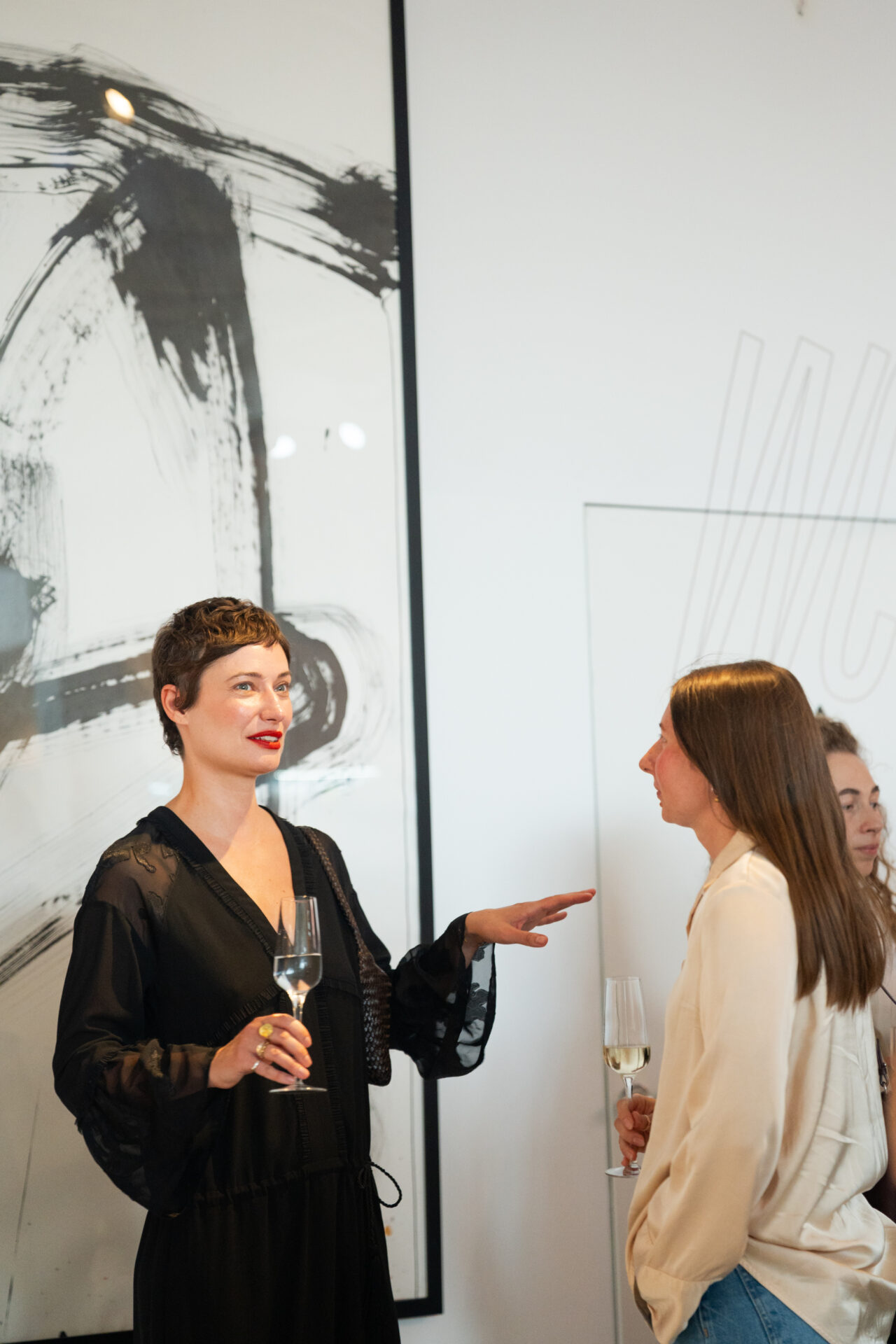
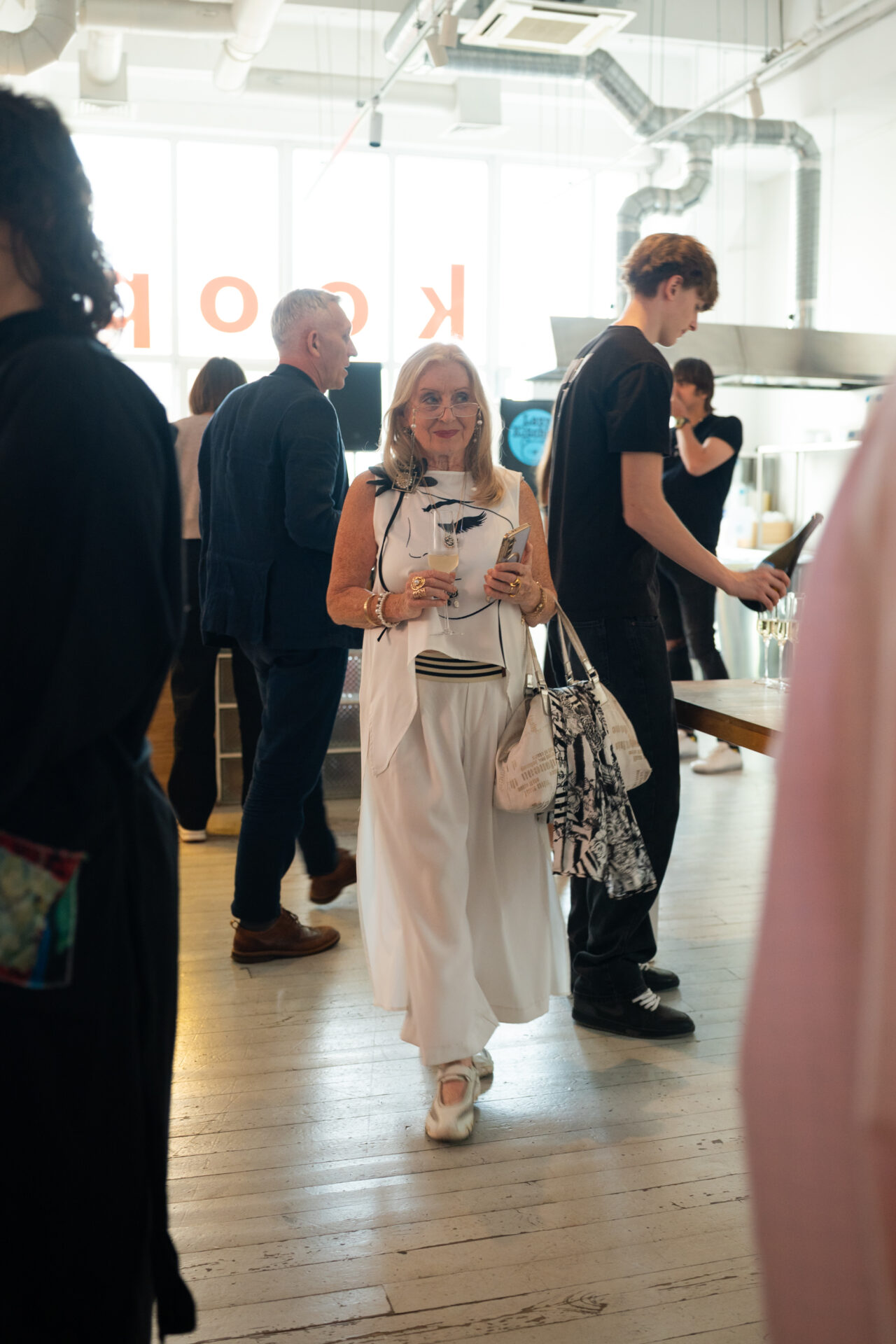
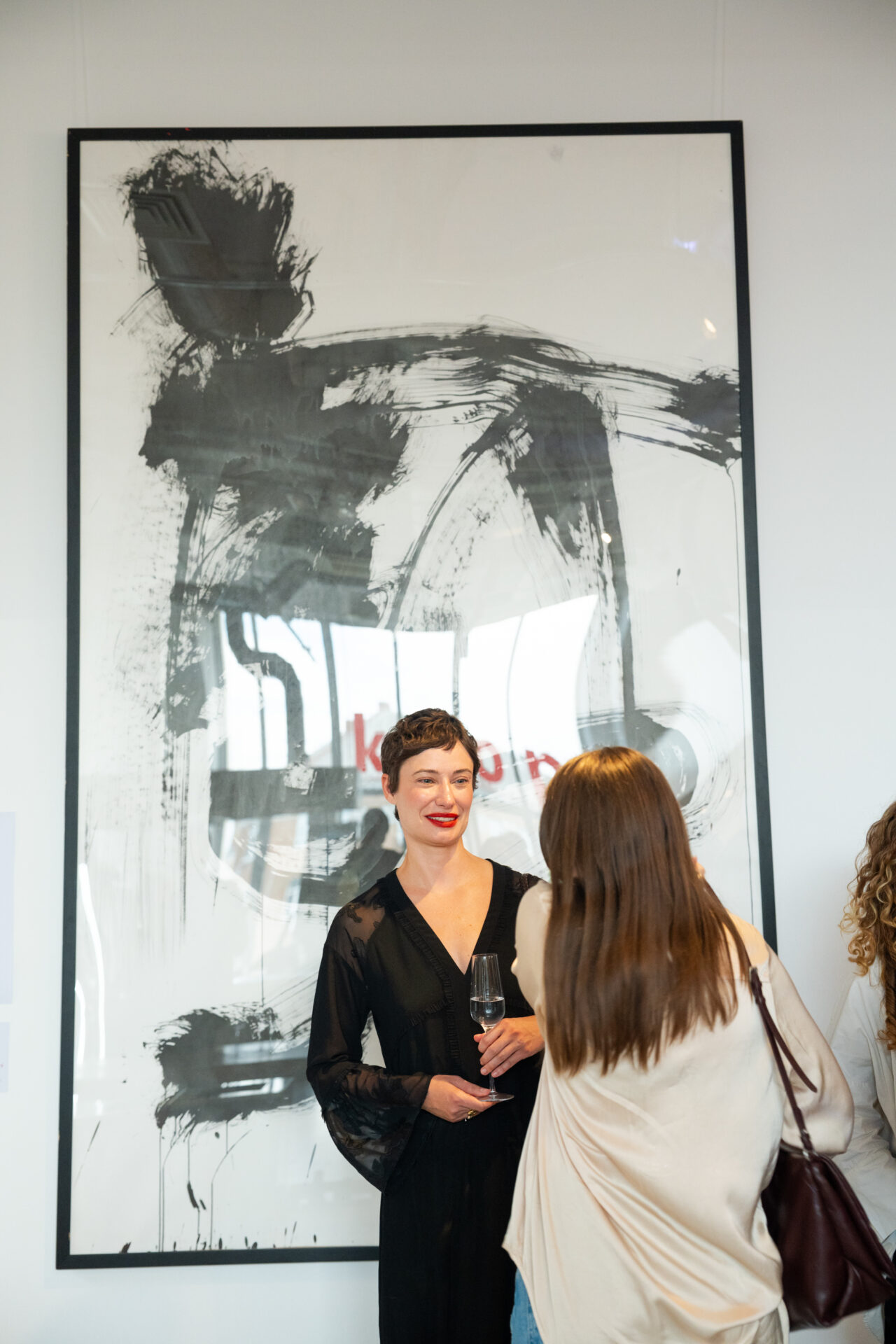
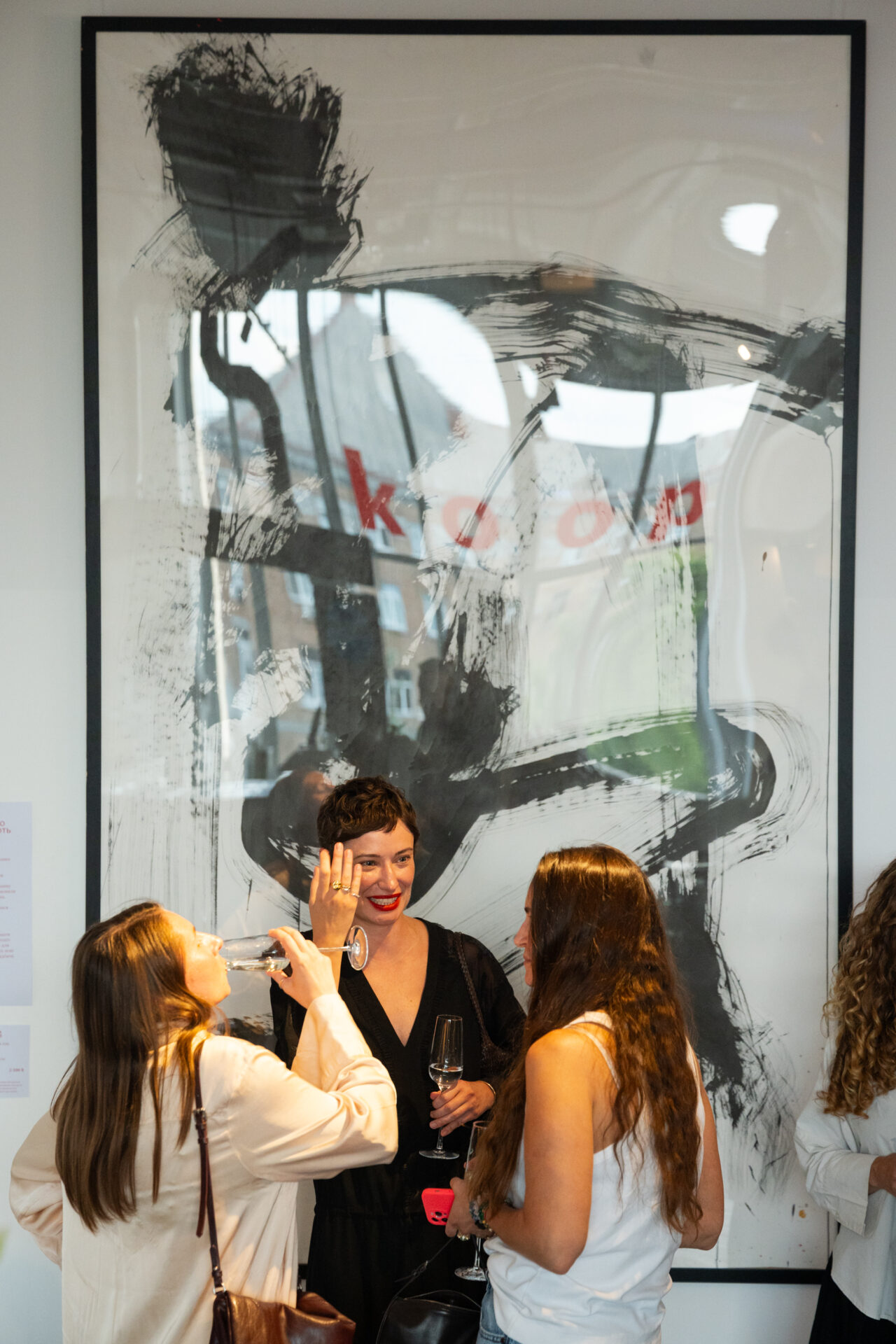
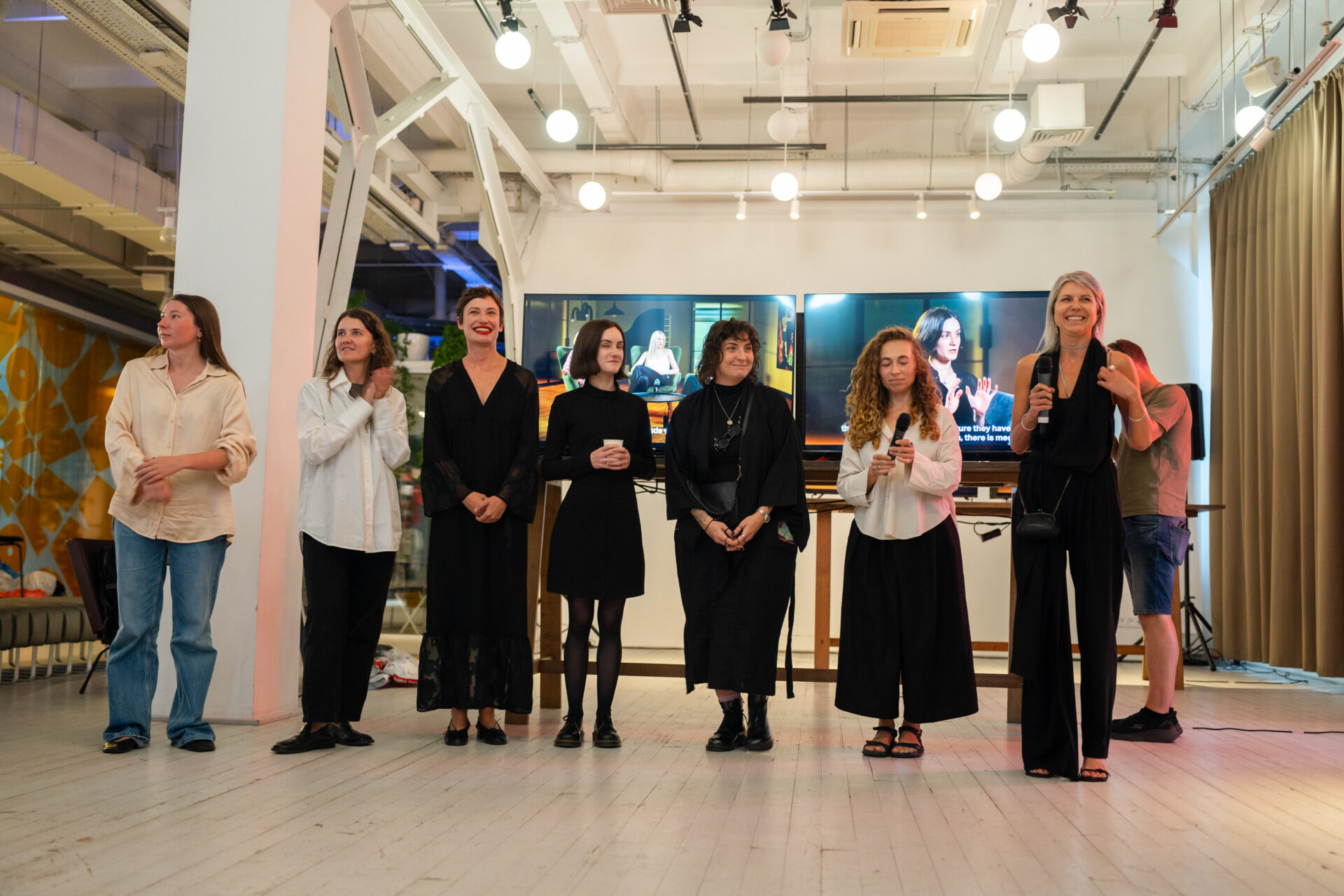
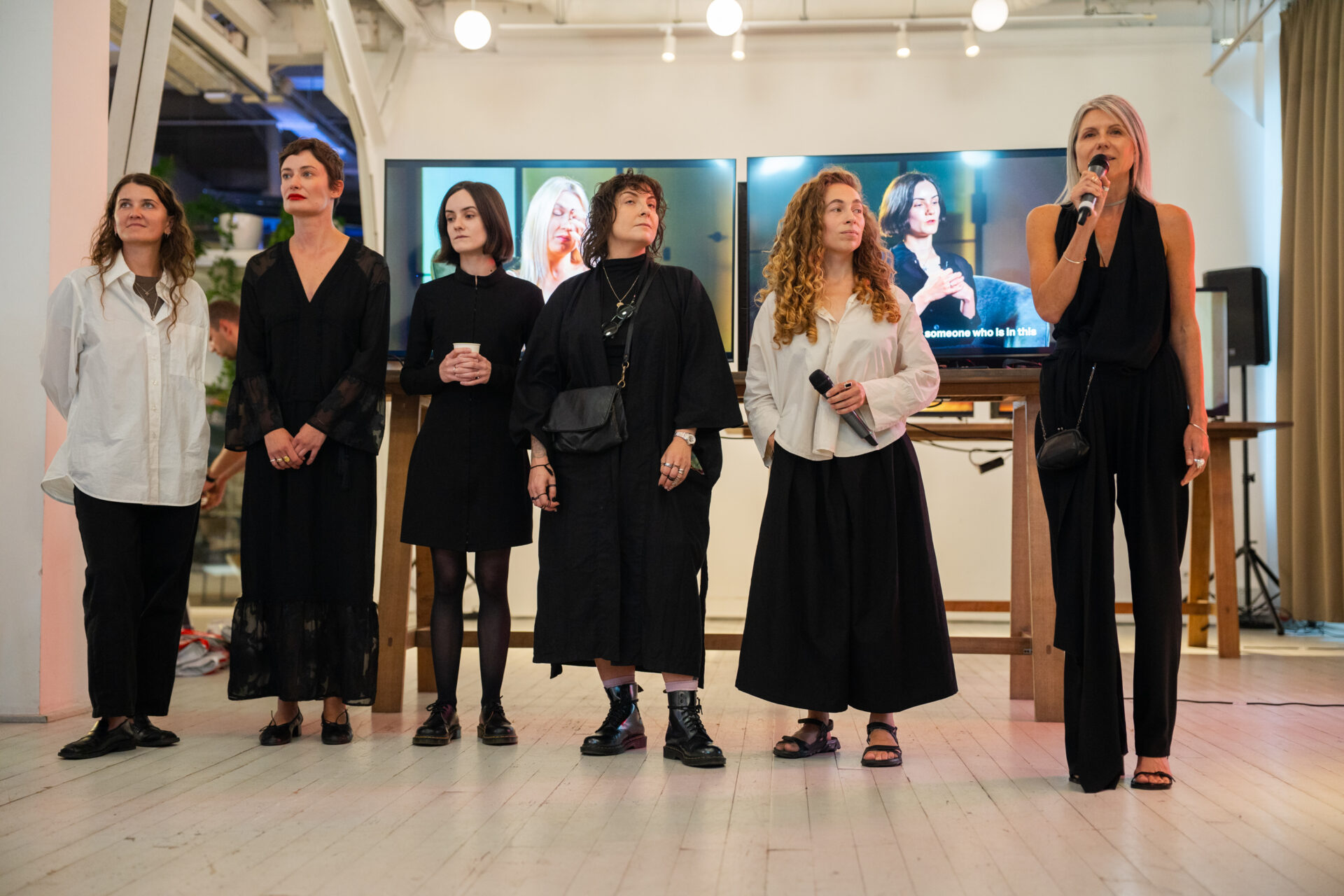
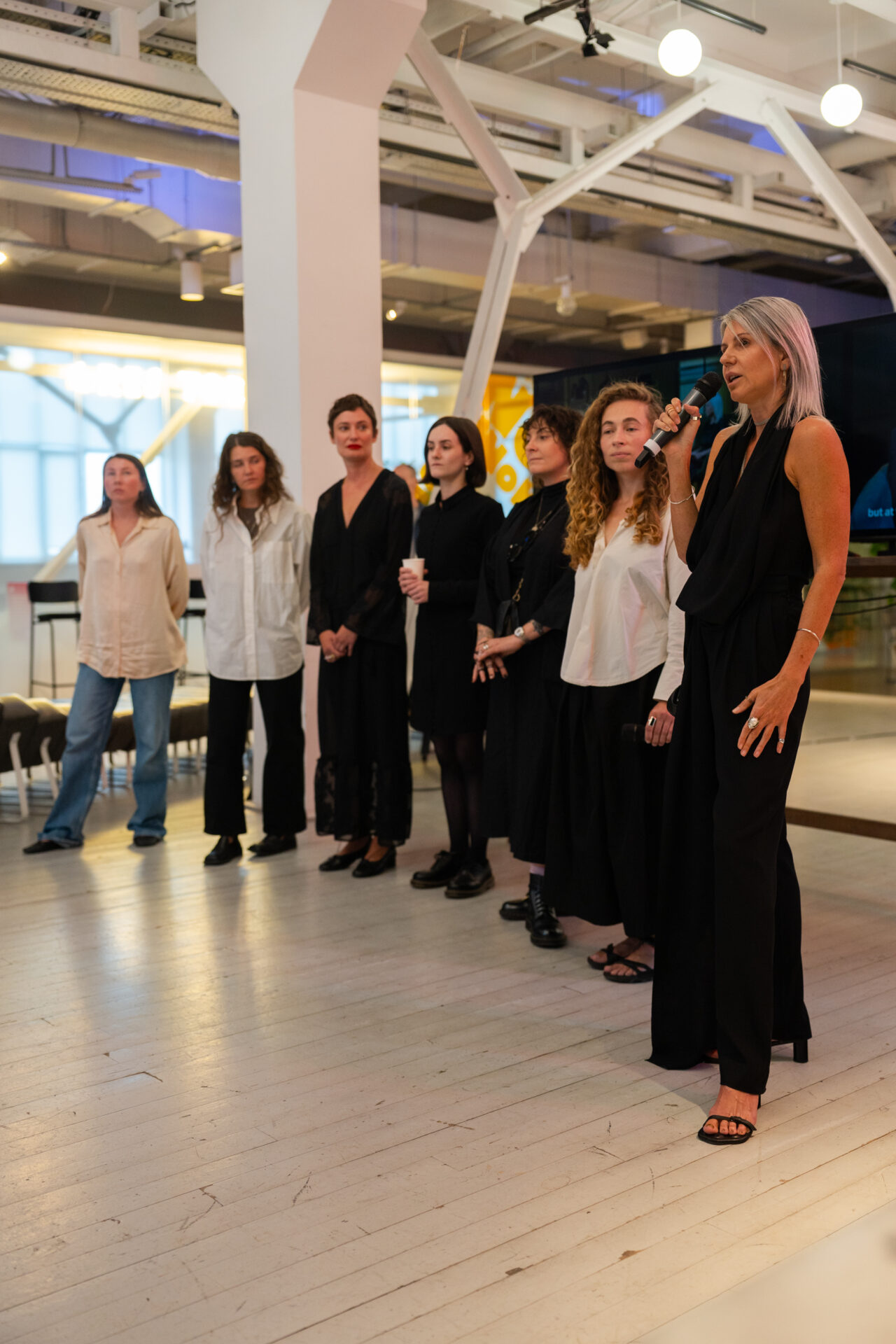
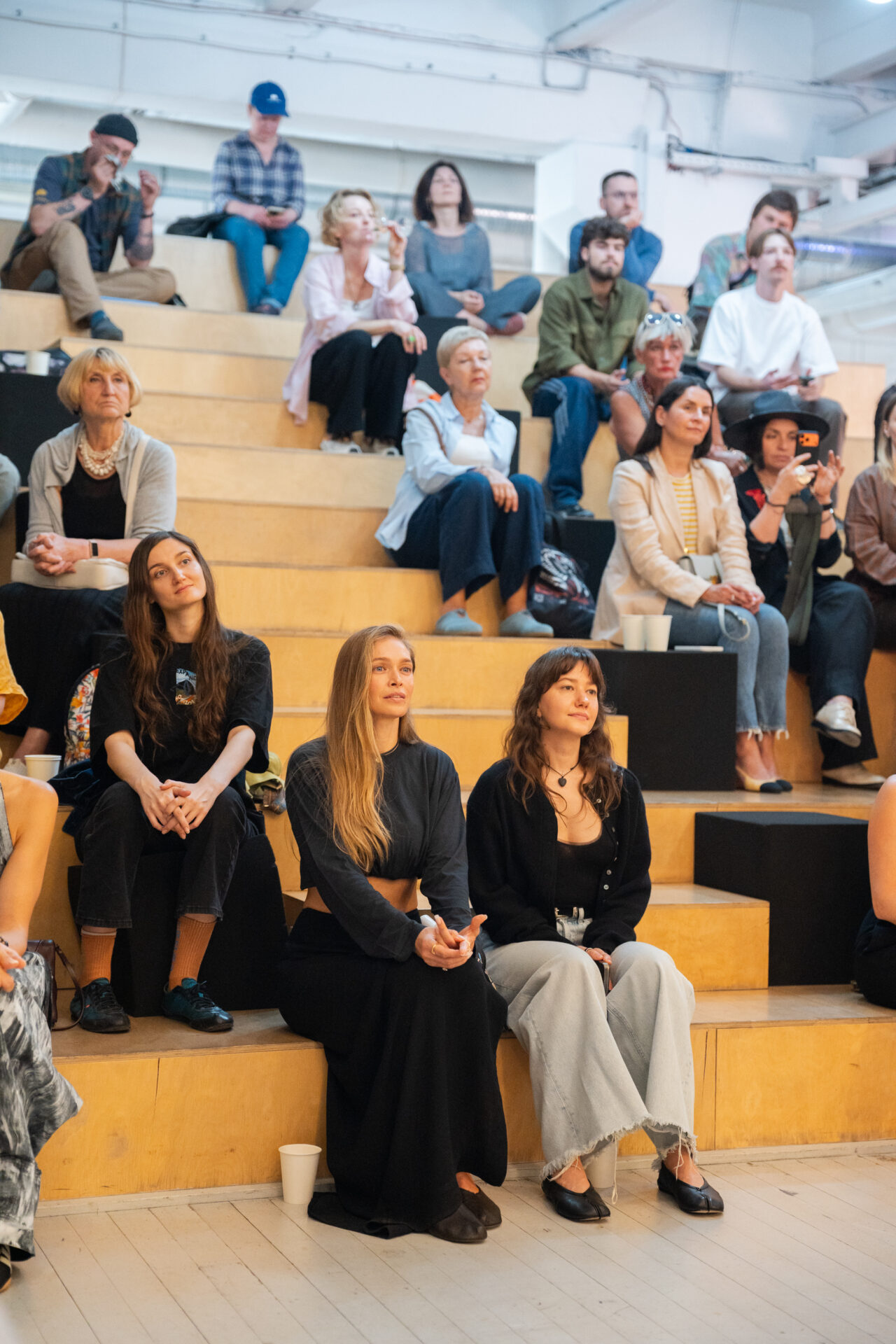
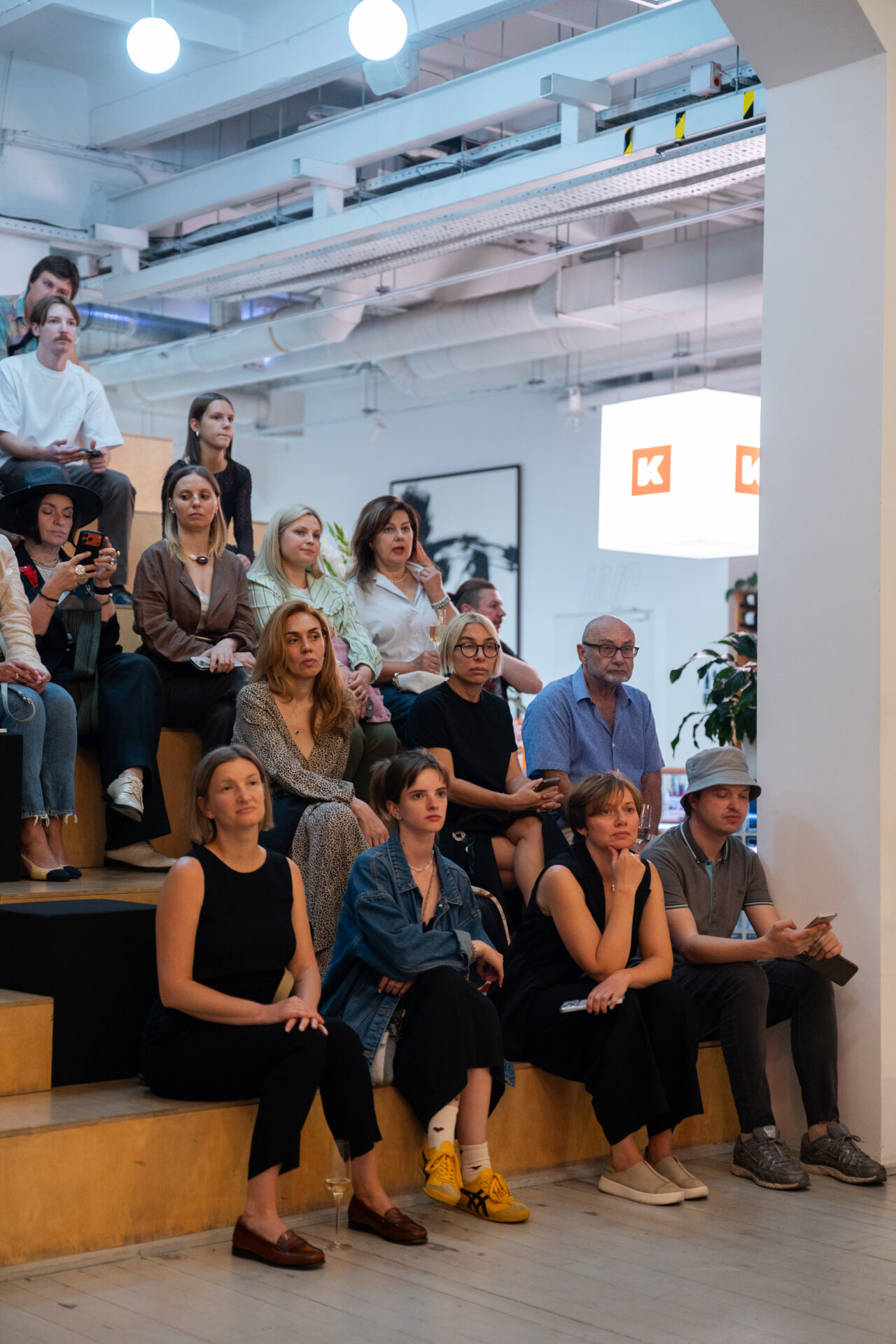
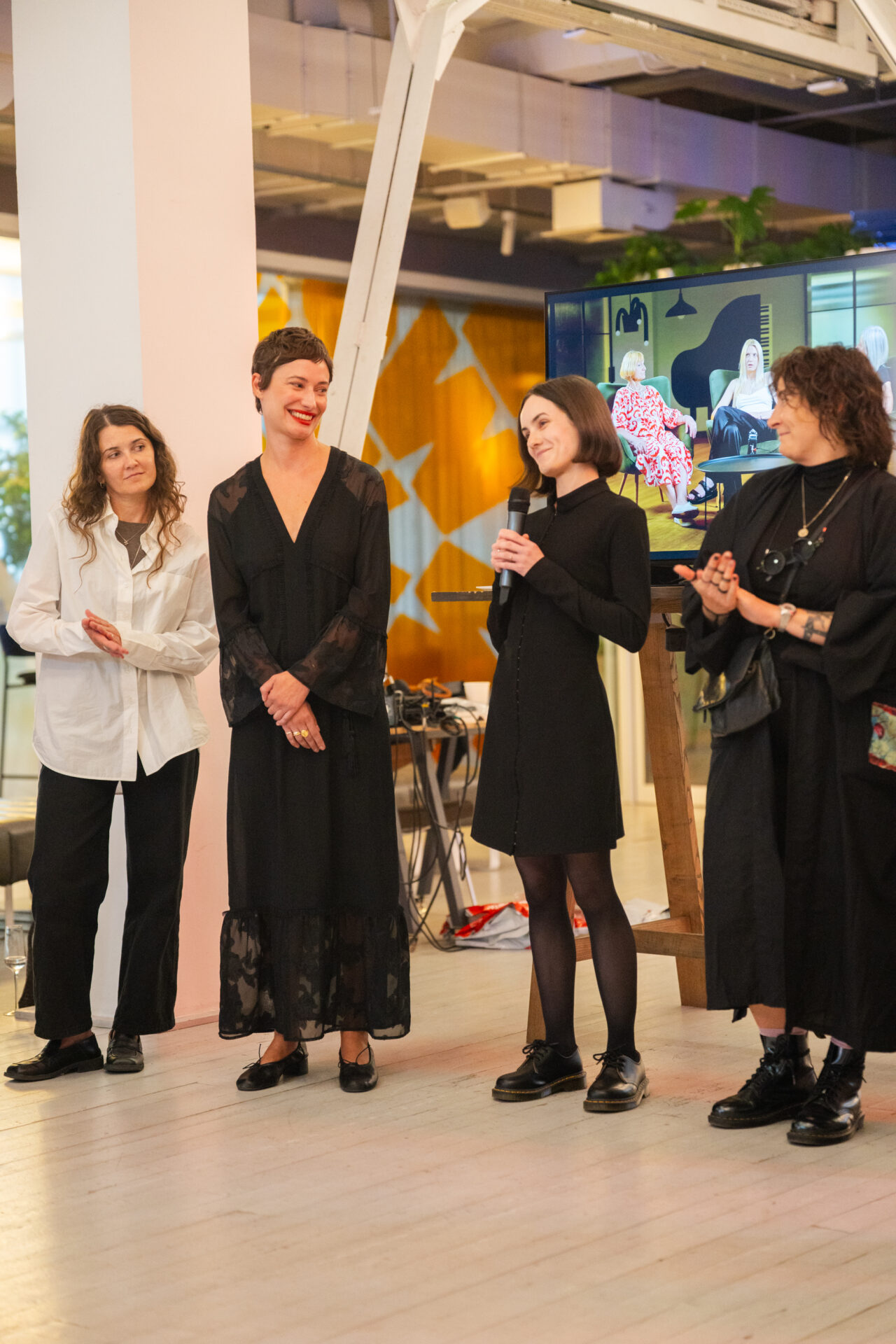
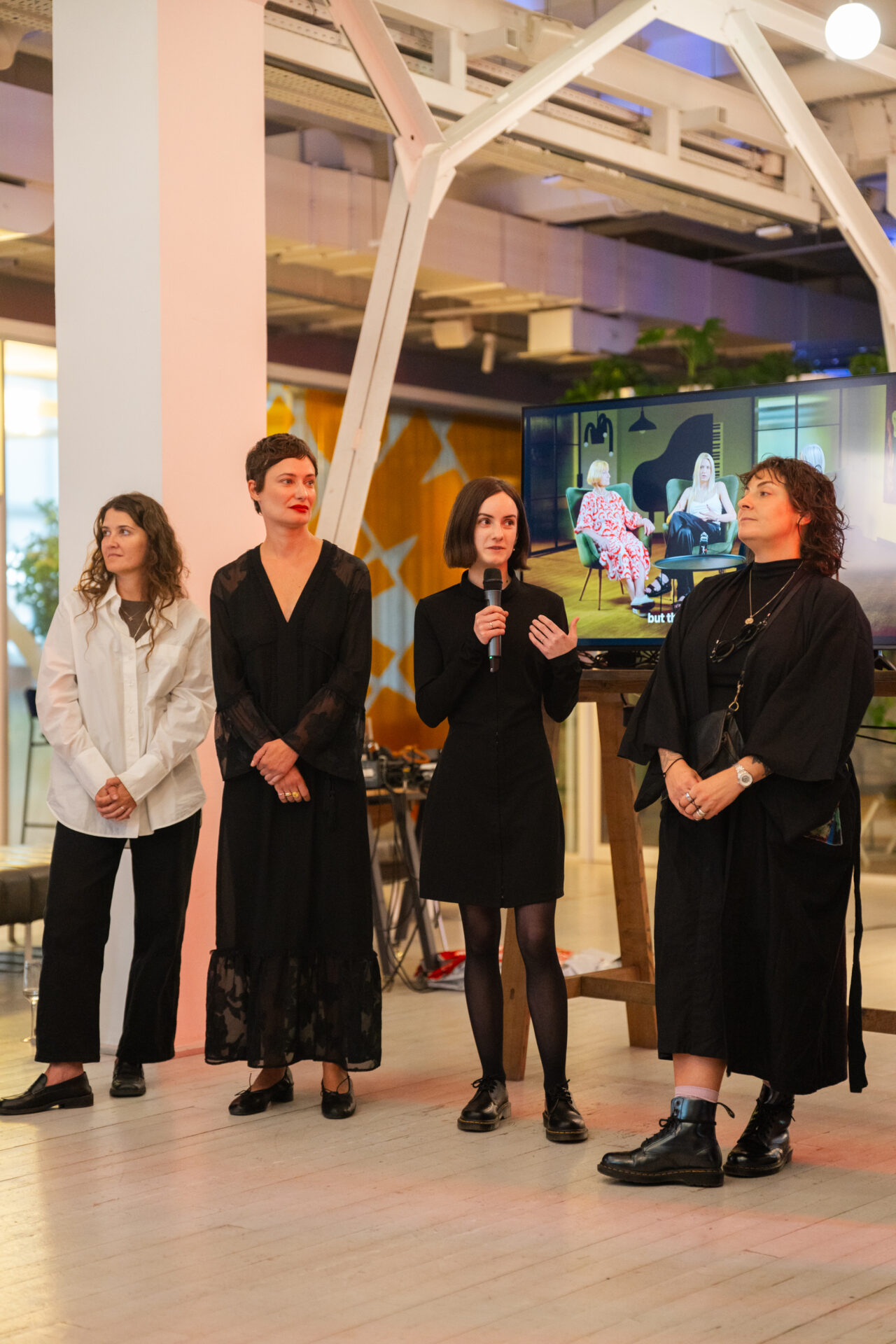
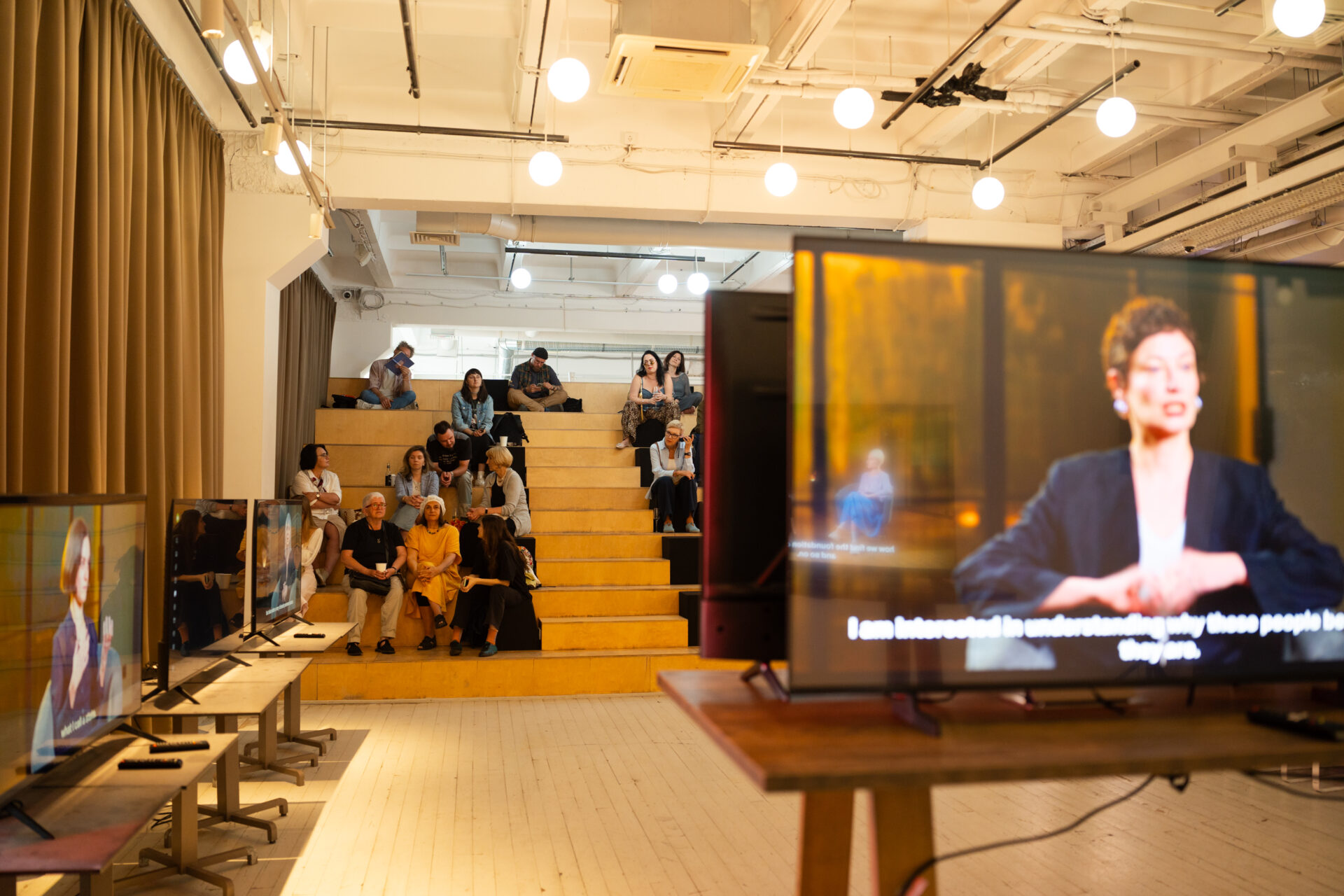
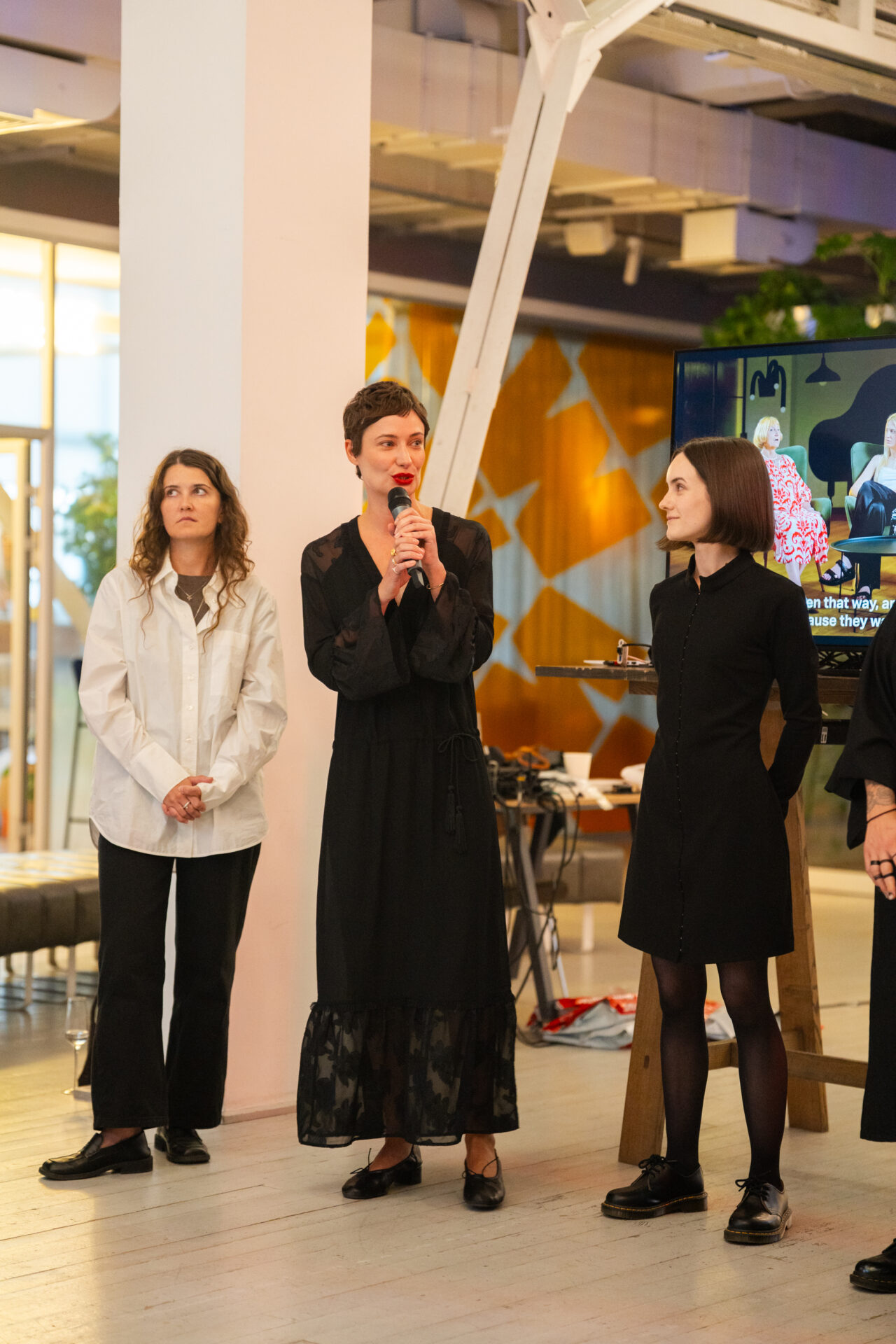
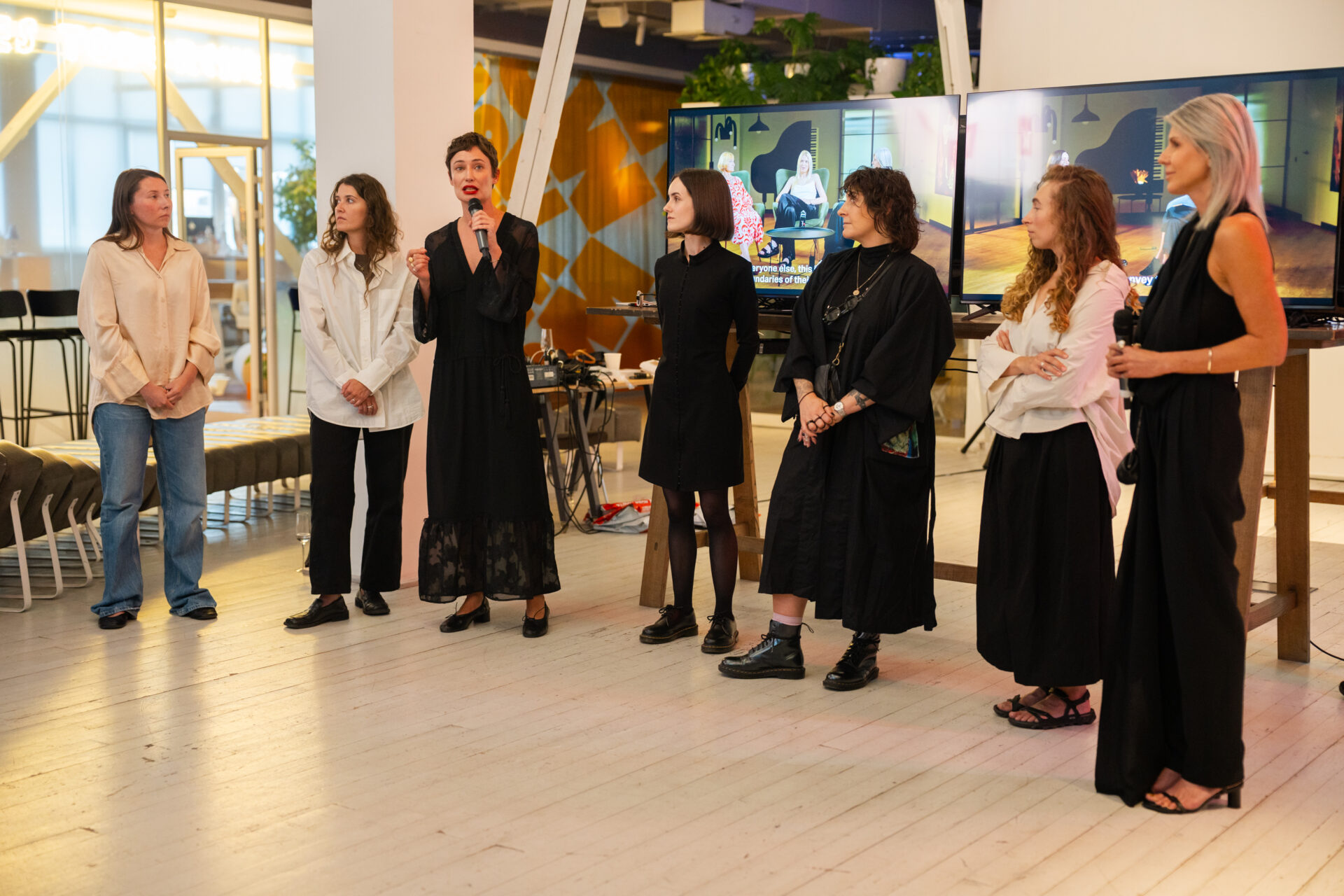
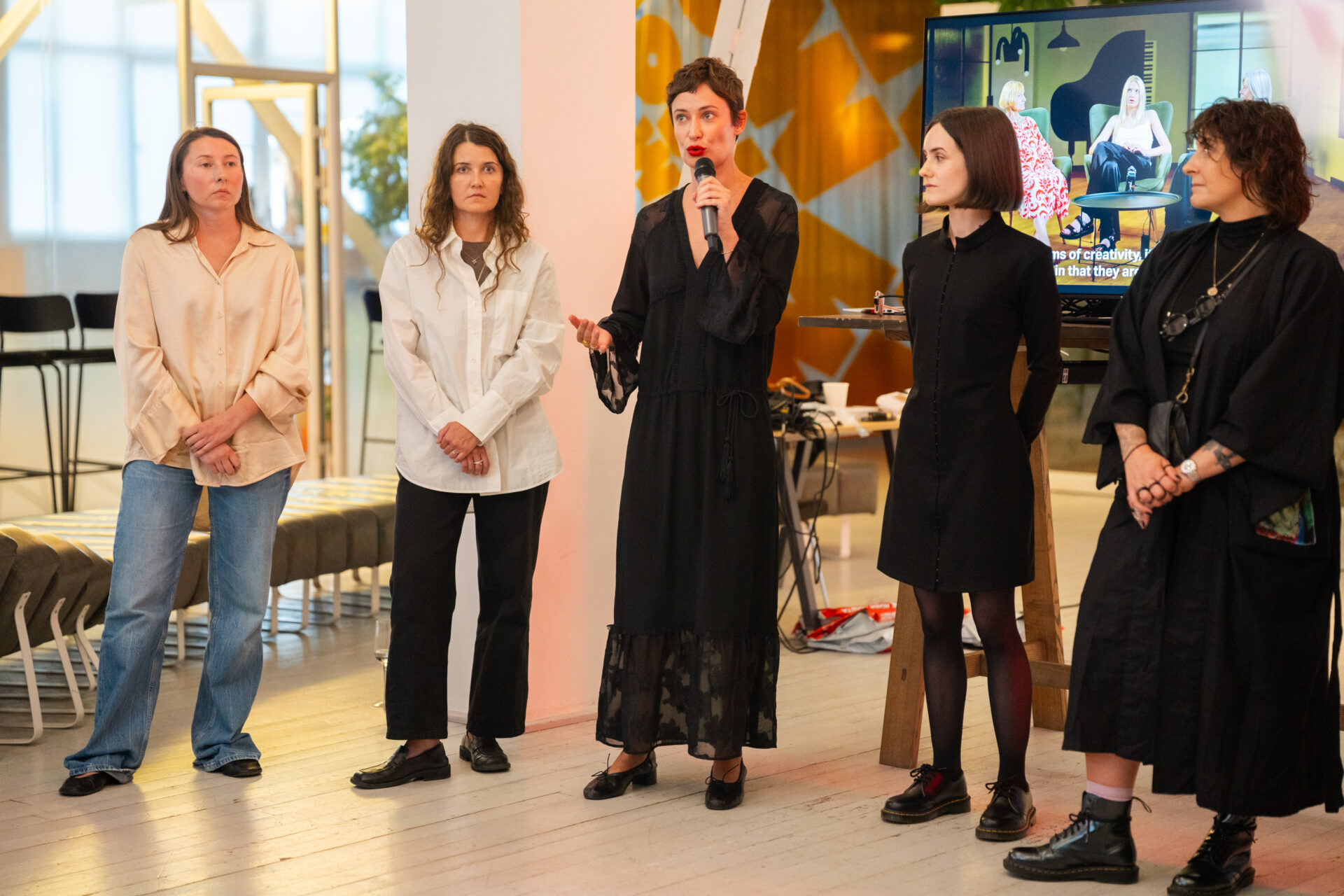
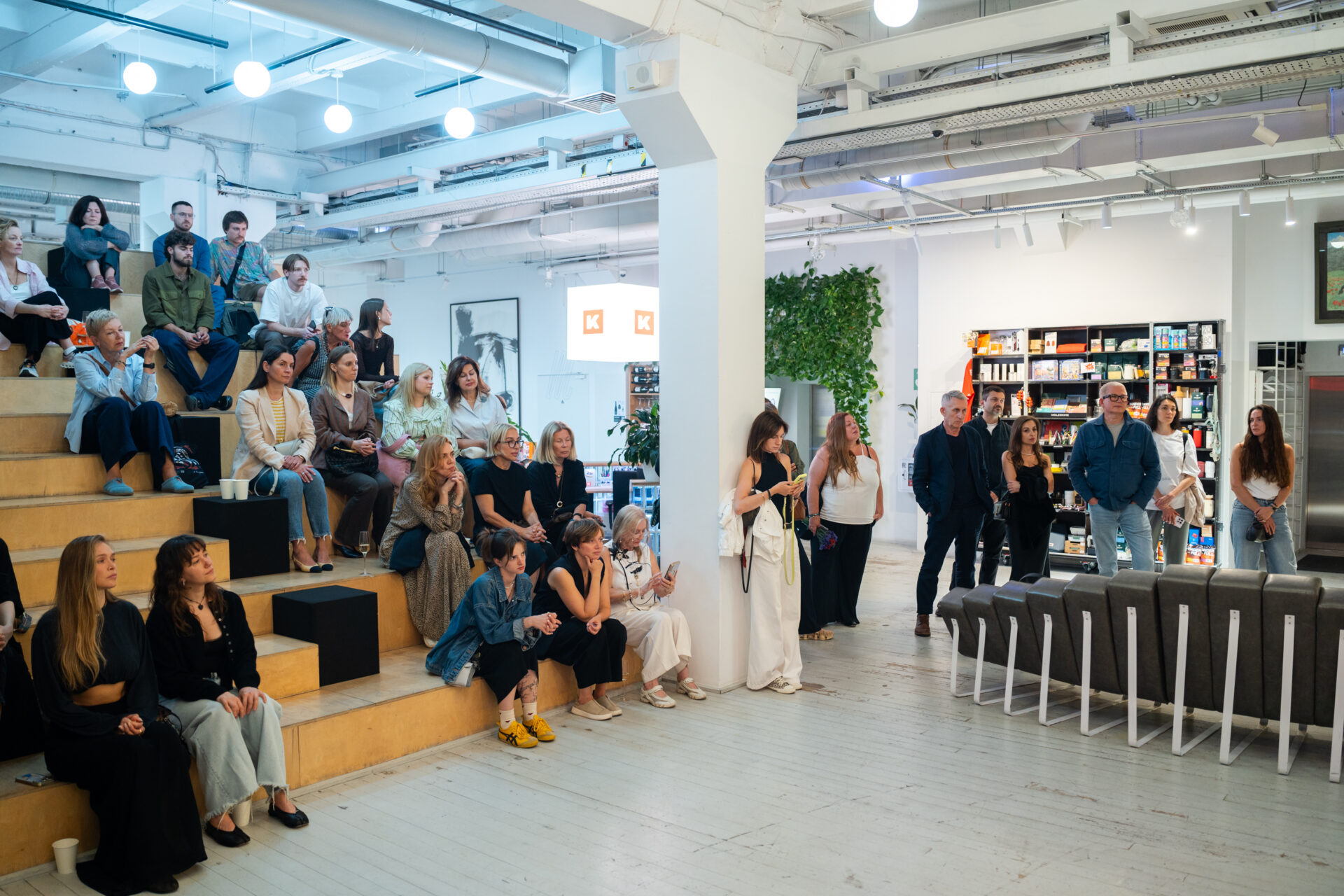
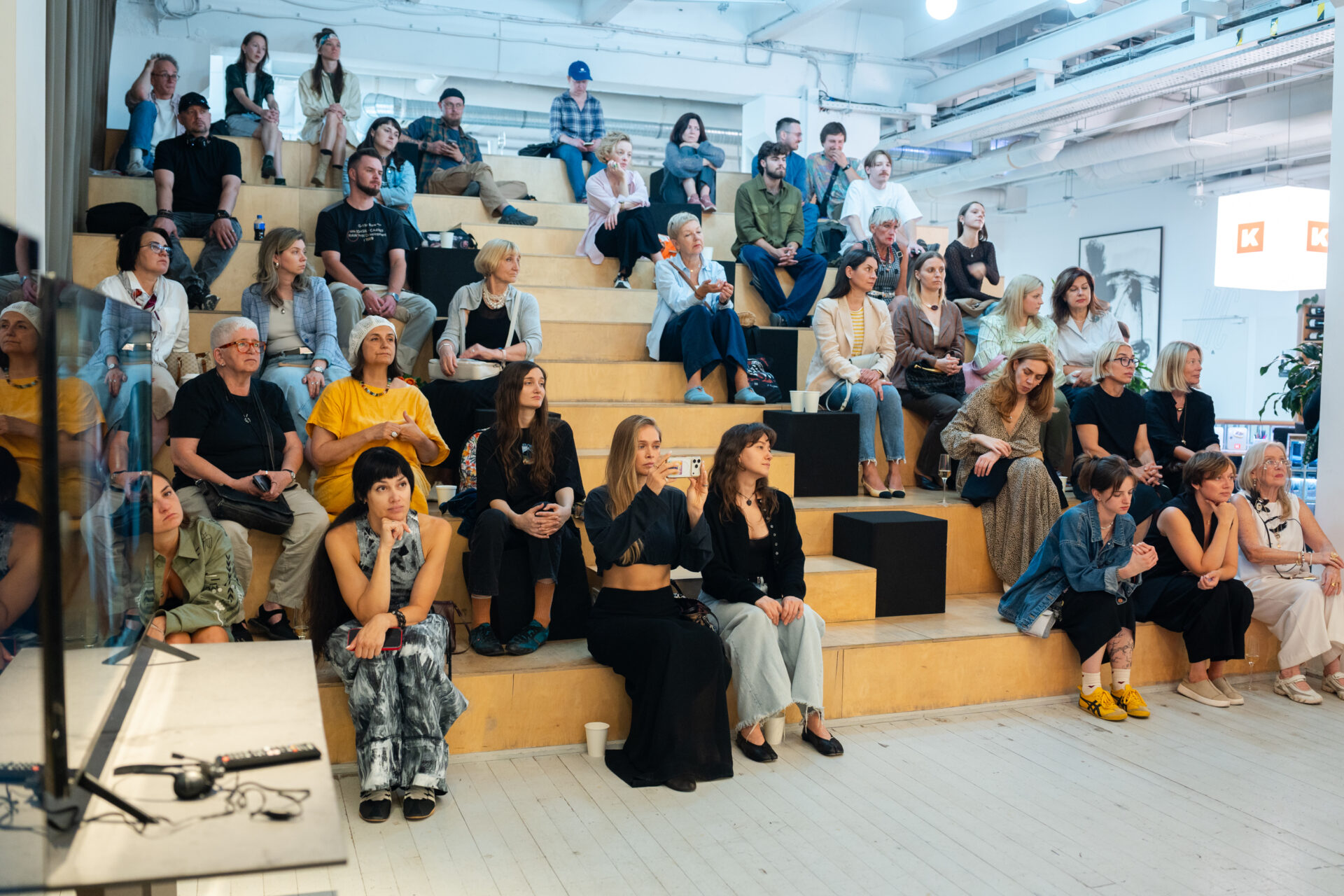
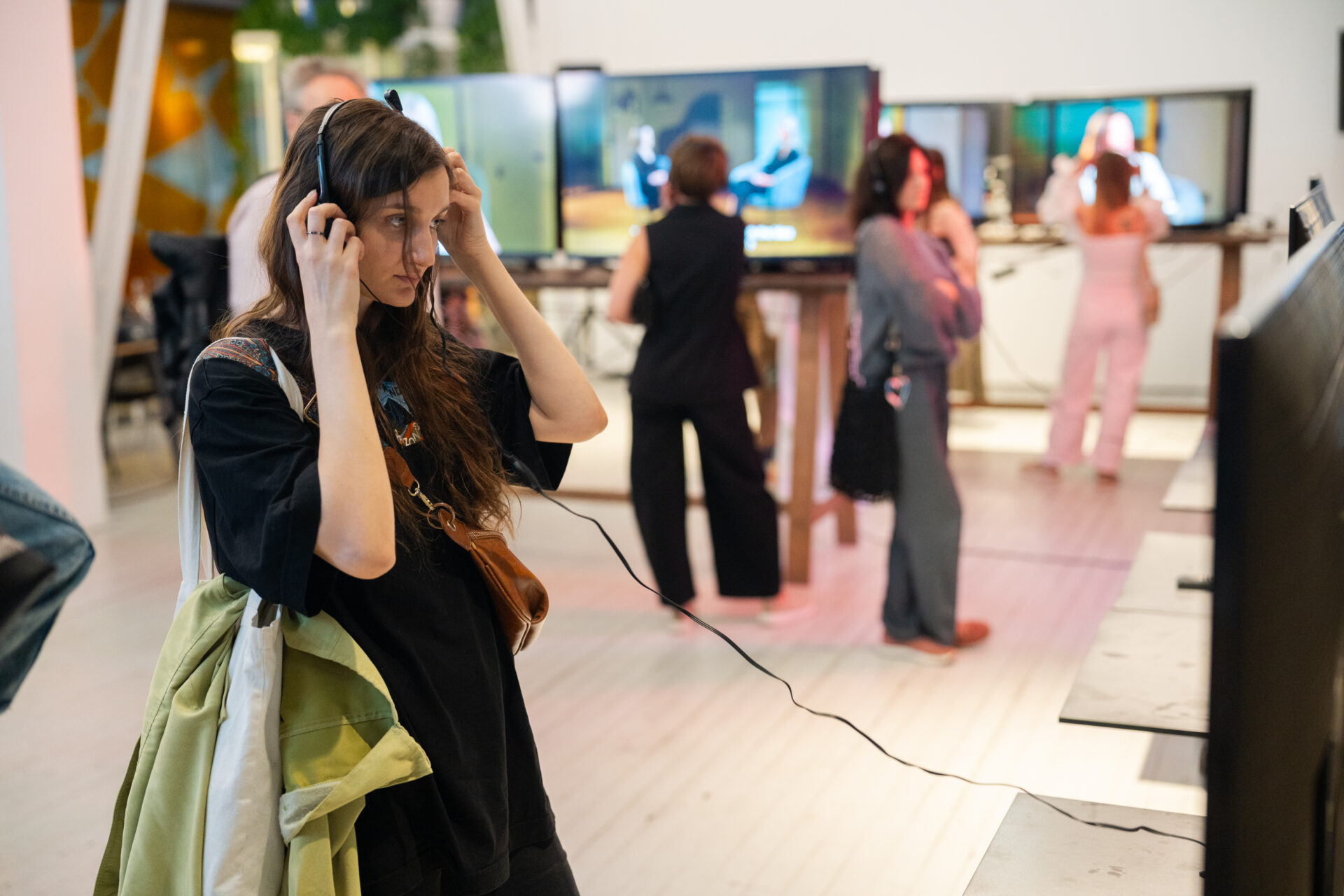
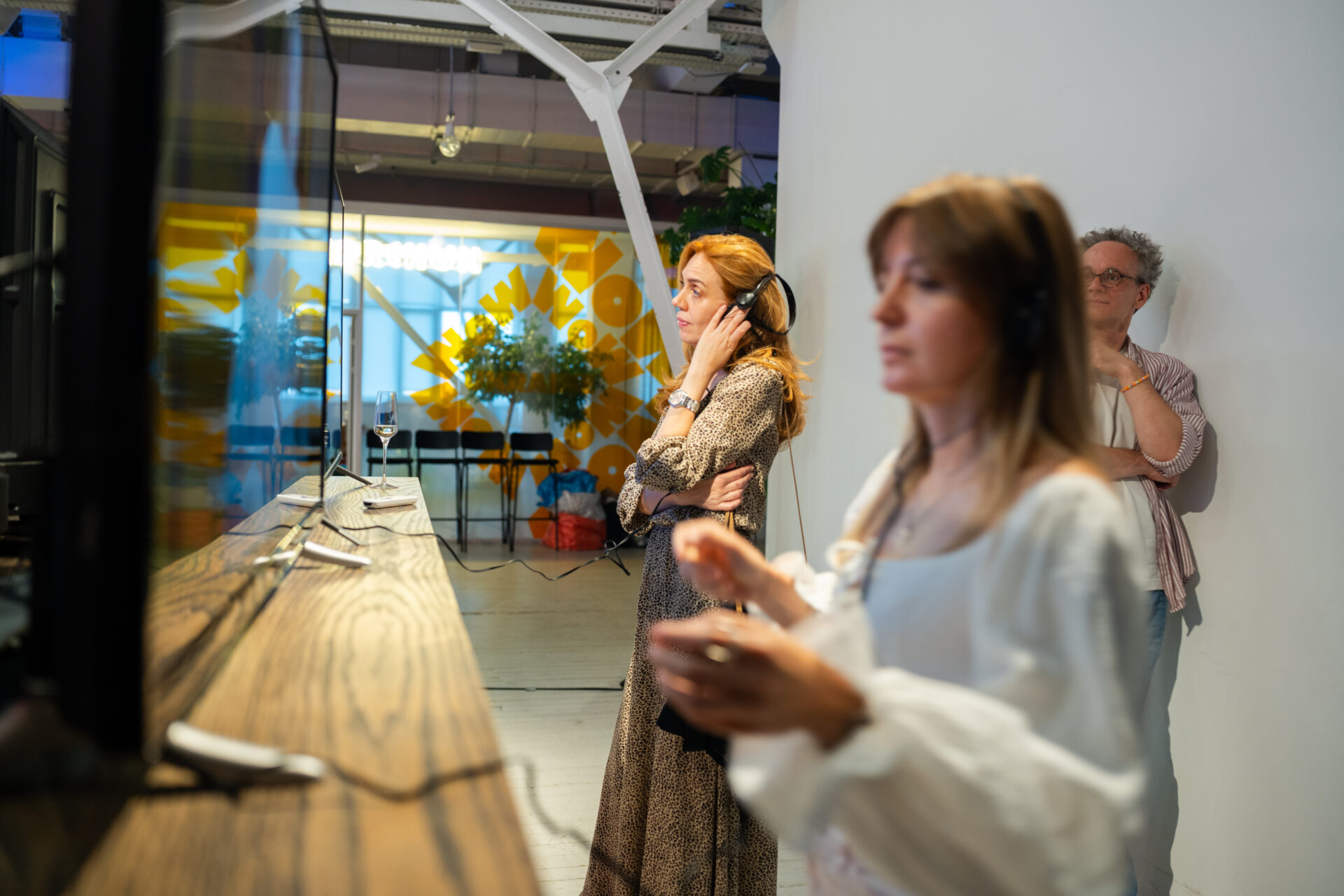
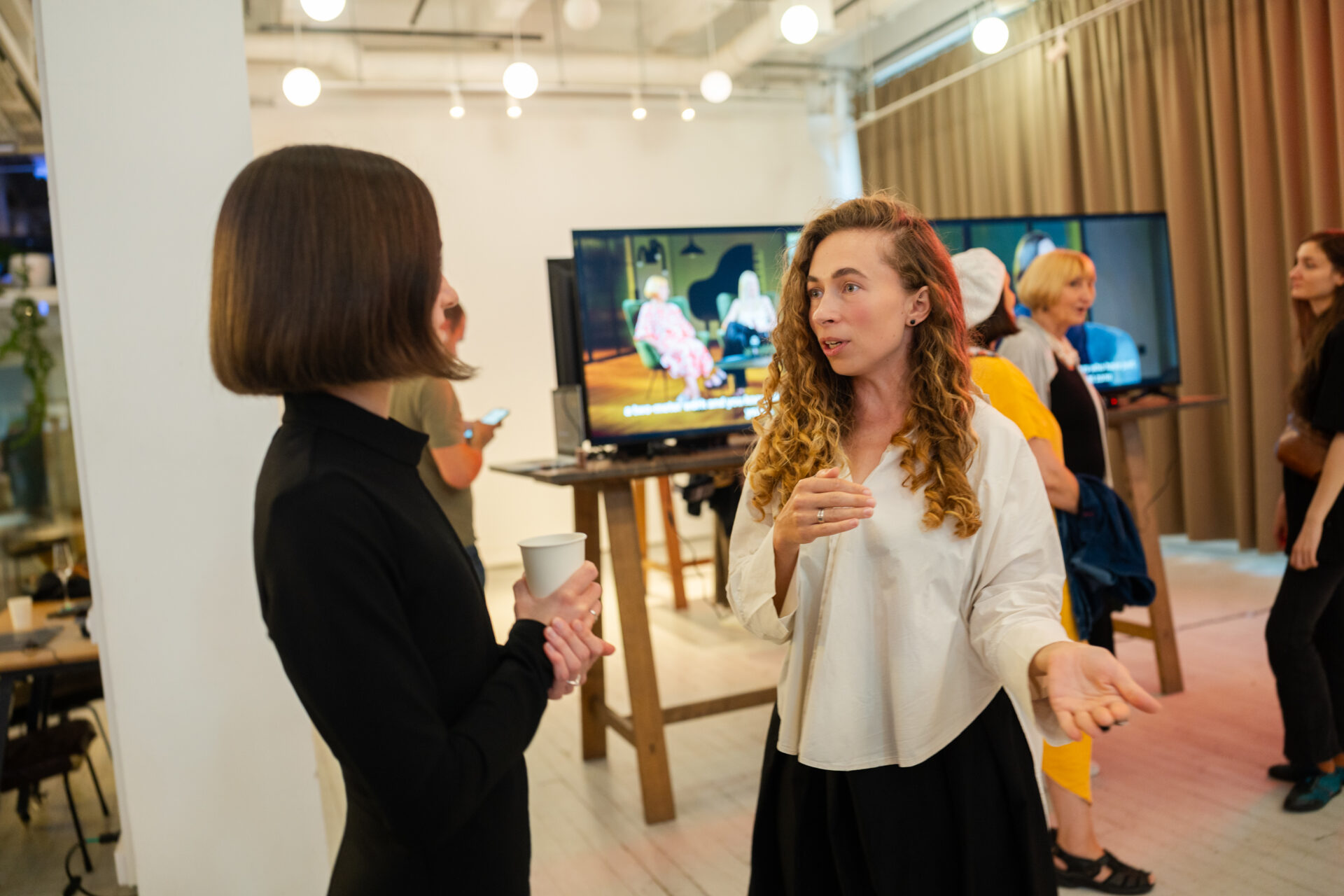
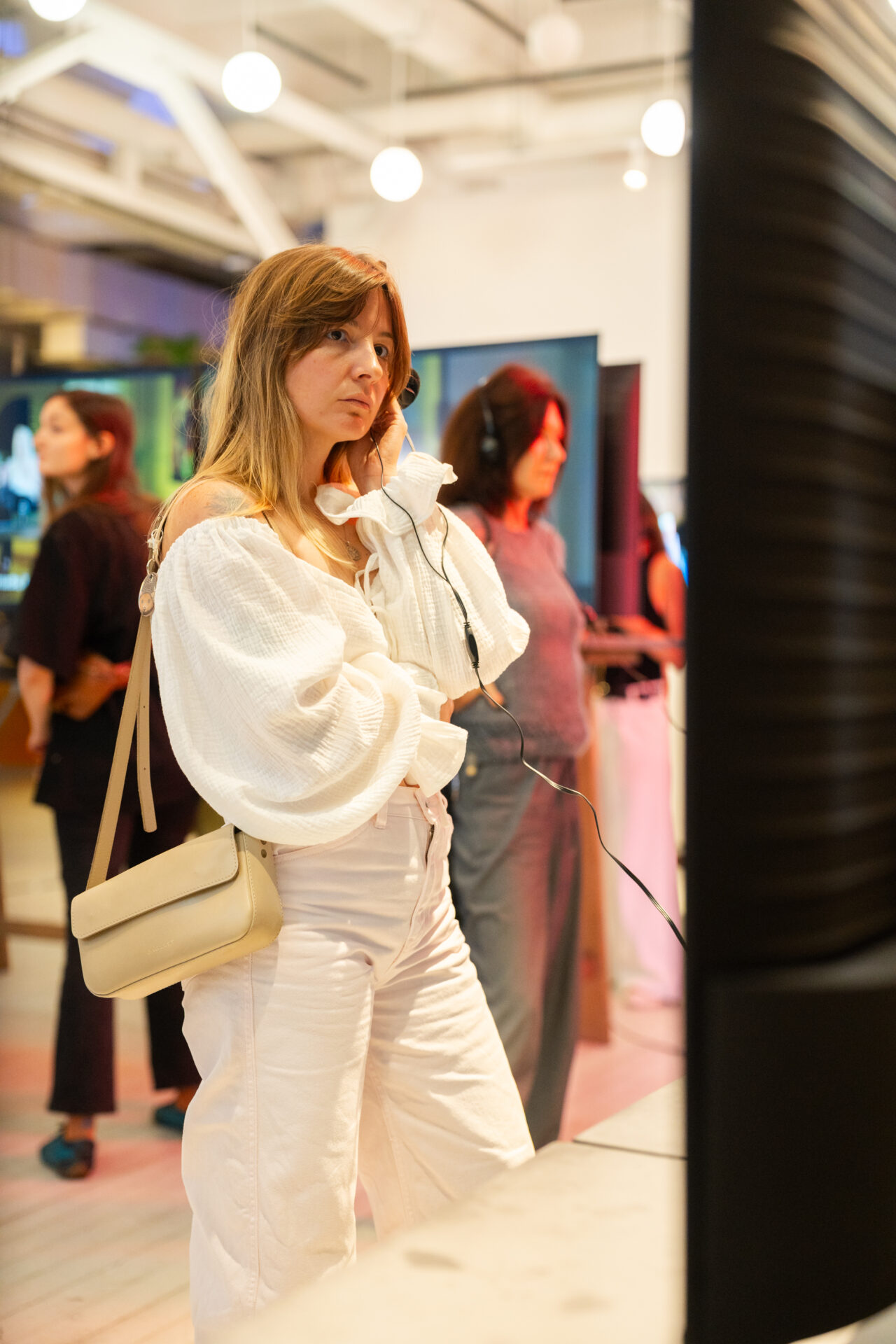
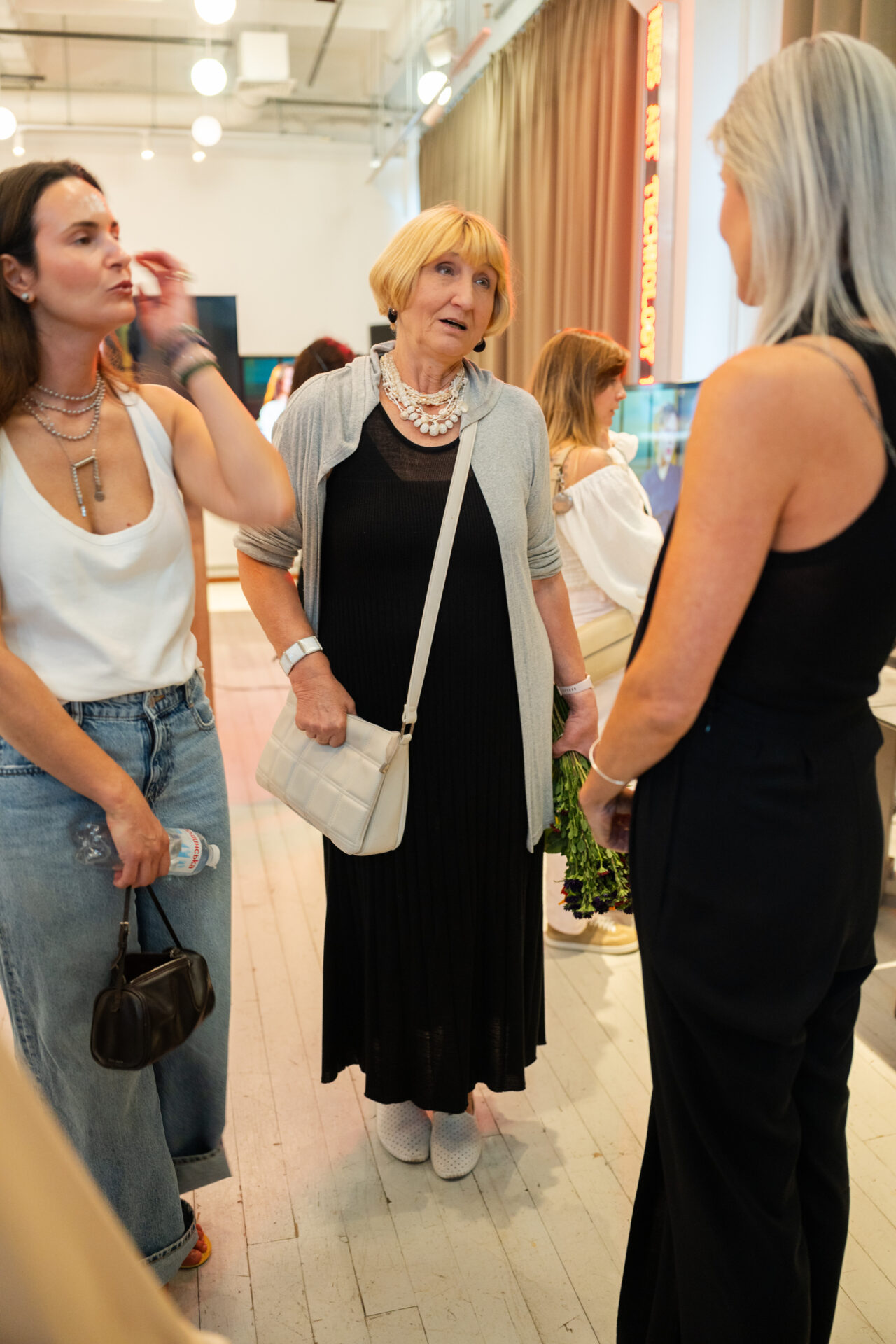
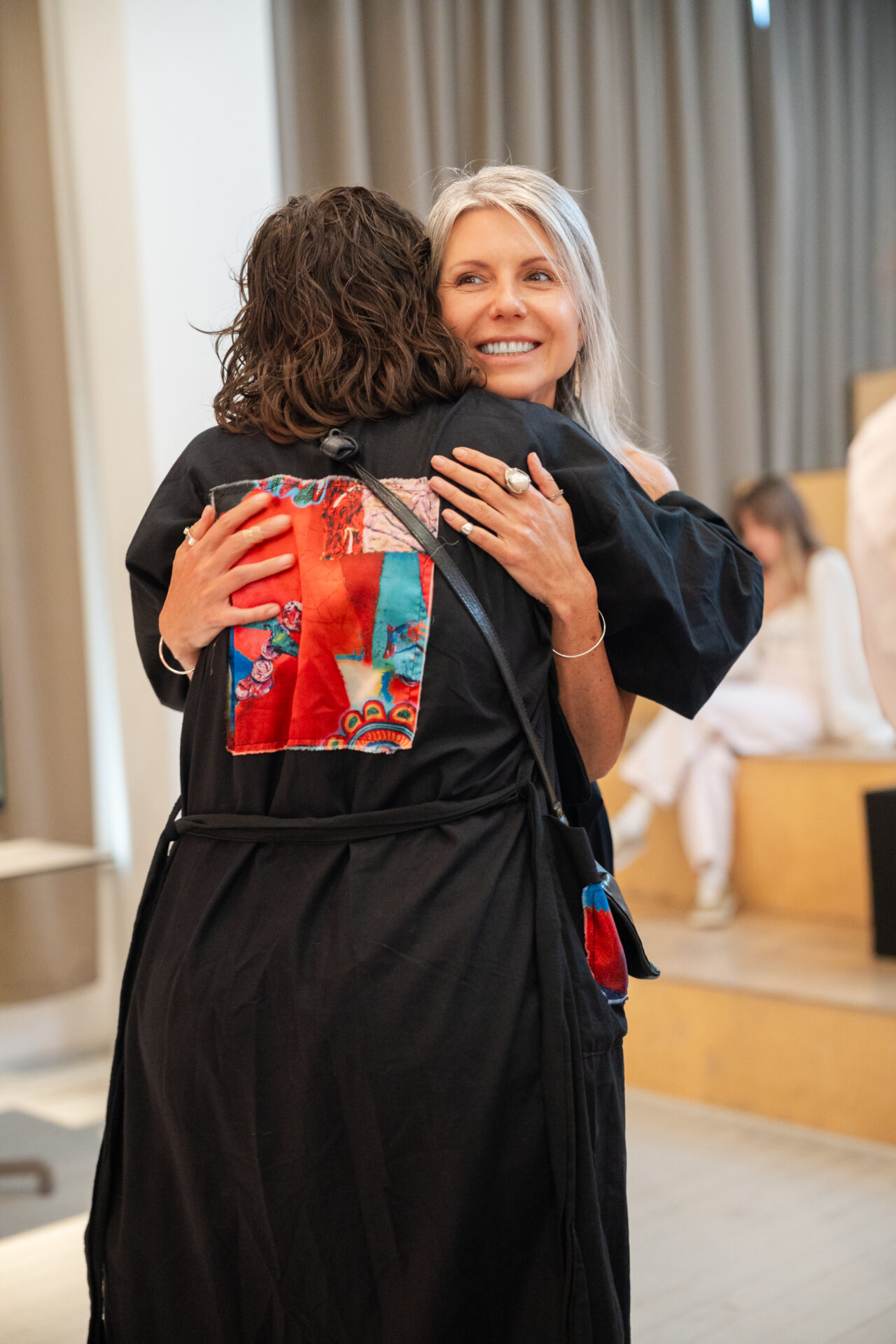
https://youtu.be/Z0FDwt7tubo?si=wtgk43ryjlyx-UM6“Inside Me Is a Black Hut” is a curatorial research project that will bring together works by twenty Ukrainian women artists and will be presented in 2027 at the Ukrainian Institute of Modern Art (UIMA) in Chicago. The eleven video interviews that we are presenting for the first time in Kyiv on 26 August constitute the first part of this much larger research project—an initial cross-section made at a moment when the subject of the research cannot be separated from the time in which it is being conducted.
Work on this part of the project began with the support of the Ukrainian Cultural Foundation. For me, it was essential to begin specifically with conversations—to record not retrospective testimonies about the war, but the voices of women artists during wartime, at a point when the distance necessary for historical reflection has not yet emerged and when we ourselves are constantly changing as we articulate our feelings and understandings in the present moment. In 2026, in the fifth year of Russia’s full-scale war against Ukraine and the twelfth year of the Russian war that began in 2014, the question of trauma cannot be posed solely as a question of the consequences of something that has already happened. We, Ukrainians, are living through an experience in which cause and consequence continue to coexist, and we are attempting to comprehend our own transformation while still remaining inside a war that continuously affects us.
This part of the project features interviews with Kseniia Bilyk and Natalka Borysenko, Anna Buryachkova, Vasylyna Vrublevska, Anna Zvyagintseva, Alina Zamanova, Olha Kuziura, Yevheniia Laptii, Pavla Nikitina, Maria Proshkovska, Maria Stoianova, and Olha Shtein.
The title of the project comes from artist Vlada Ralko’s poetry collection Mouth and Cross, published in 2020: “Inside me is a black hut.”
In this line, the hut—a space that would ordinarily exist outside the body as a place of protection, memory, and belonging—is relocated inside the human body. In the lines that follow—“The rafters of ribs / And the stove of the stomach,” “To swallow the landscape / Digesting it into dark matter”—this inversion becomes almost physical: the external enters the body but is never fully assimilated, remaining simultaneously one’s own and alien. For me, this poetic construction became a way of approaching the question of how a historical collective catastrophe becomes part of a person’s internal structure.
In Unclaimed Experience: Trauma, Narrative, and History, Cathy Caruth defines trauma not only through the catastrophic nature of an event, but also through a particular rupture between the event and the possibility of experiencing it. What happens cannot be fully assimilated by the psyche at the moment of its occurrence and therefore returns later—in repetition, bodily reaction, symptom, fragment of language, image, or silence. It is through this lens that I return to Ralko’s “black hut”: something is already inside the subject, has already altered their internal architecture, even though it has not yet become an experience that can be fully named and claimed as one’s own.
The Ukrainian situation today complicates this model: what happens to traumatic experience when the event that produces it does not end? Over the years of full-scale war, the horrific and the unacceptable have gradually become embedded in our everyday lives, while adaptation has become a necessary condition of survival under prolonged danger. Yet adaptation does not mean the integration of trauma: a person may learn to function within a catastrophic reality before becoming capable of understanding the extent to which that reality has already changed them.
It is here, for me, that Caruth intersects with Judith Butler, who in Precarious Life understands vulnerability not as an exceptional consequence of catastrophe, but as a fundamental condition of human existence. Her phrase, “Loss has made a tenuous ‘we’ of us all,” is important precisely because of this fragile “we”: a commonality that emerges not from the sameness of what has been experienced, but from an awareness of mutual dependence and the uneven distribution of vulnerability. The collective trauma of Ukrainians therefore does not imply a single, uniform experience of war. The experience of an artist who remains in Ukraine and that of an artist living abroad are not identical; physical safety does not necessarily create an internal distance from the war either.
The full-scale invasion radically changed the scale and intensity of the war Russia began in 2014, yet its historical genealogy reaches much further back—to imperial and Soviet practices of destruction, Russification, repression, censorship, and control over who has the right to speak and in what language one’s own experience may be articulated. Our current need to name, document, and archive is therefore simultaneously a form of resistance to a much older structure of erasure.
It is precisely at this point that art emerges for me—not as a description of trauma or a form of therapy, but as a space in which something that has not yet acquired the completed form of experience can manifest itself through material, fragmentation, image, or silence. This is why, in the interviews, I was interested not only in what the artists say about the war, but also in how the war is already operating within their practices: how it changes artistic language and relationships to the body, home, memory, and the future; what it means to work in Ukraine or beyond its borders; how the visibility of Ukrainian art in the world has changed since 2022; and whether the expectation of a specifically “Ukrainian testimony” risks becoming a new framework that confines the artist to the experience of war.
These eleven interviews do not form a single narrative—and this is fundamental to the project. We are documenting different, at times incommensurable, experiences of women connected by a shared historical field. Here, the interview does not become an archive of a completed event, but a form of speaking from within something that is still unfolding. “Inside Me Is a Black Hut” begins with this impossibility of definitive knowledge—with the question of how an experience that has not yet ended is already changing our language, influencing art, and shaping our understanding of the future.
Curator Maryna Hutz
“Inside me is a black hut
The rafters of ribs
And the stove of the stomach
By evening I can
Swallow the landscape
Digesting it into dark matter
Where you swim every night And fear drowning
I will laugh with the horizon of the vagina
Or the slit of the mouth
Or the hollow of a wound
It does not matter
And where then are your streets, walls, trees?
And when you imagine a little morning light
I will laugh again
Whether with the cold glow of the moon
Or the distant flickering
Of lightning or explosions”
Vlada Ralko